2025

Kerala Tiger Shot Dead After Attacking Forest Officials During Tranquilising Mission

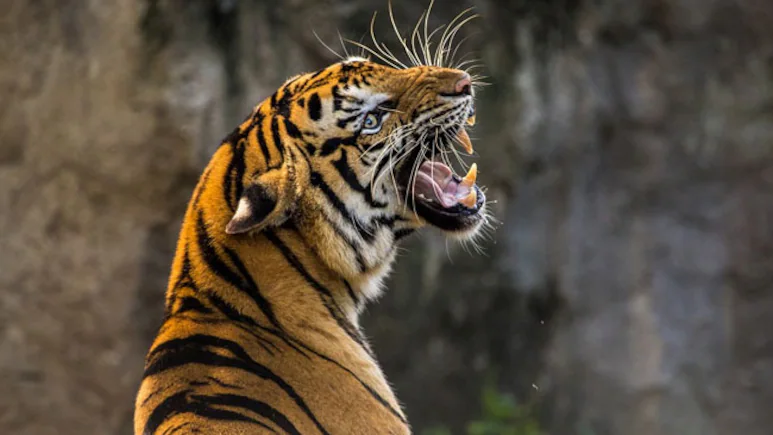
Idukki: Forest officials on Monday shot dead a tiger in self-defence as it attacked them during a tranquilising mission in Vandiperiyar in this hill district of Kerala. The injured big cat, which strayed from nearby forests, triggered panic among locals as it killed some domestic animals in Granby estate area in the recent days. Though the wildlife officials fired tranquiliser shots when it was spotted inside a tea estate in the morning, the tiger suddenly charged at them forcing the team to open fire for self defence. A senior wildlife official later said the second tranquiliser shot was successfully fired but the animal suddenly turned aggresive and destroyed the helmet of a wildlife staff by hitting at it.

Kerala Tiger Shot Dead After Attacking Forest Officials During Tranquilising Mission Read More »

Kerala’s Idukki Turns To AI, Sensors To Become Most Disaster-Ready Hill District

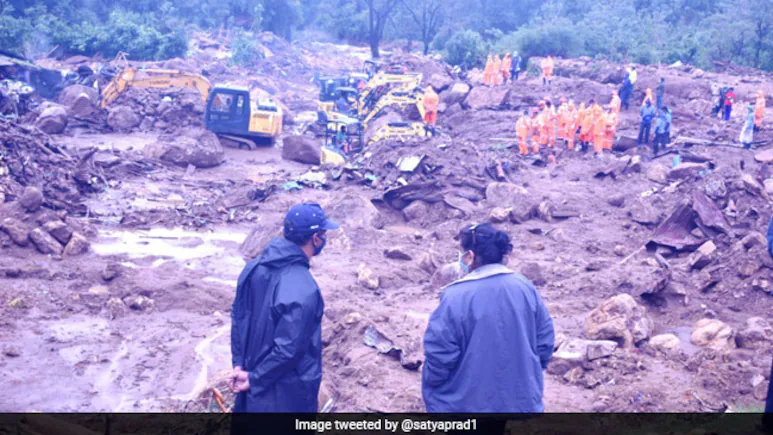
Idukki: In the lush, hilly district of Idukki in Kerala, where nature’s beauty meets frequent danger, authorities are turning to technology for protection. A new high-tech system using artificial intelligence, sensors, and satellite maps will soon help predict landslides, flash floods, forest fires, and droughts in real time — part of an ambitious plan to make Idukki the most disaster-resilient hill district in the country. The innovative Idukki Disaster Resilience and Information System (IDRIS)– a first-of-its-kind early warning and planning platform — will be rolled out this monsoon as a pilot project, said District Collector V Vigneshwari here on Tuesday. The pilot rollout will begin in Adimaly and Rajakkad, two areas often hit by landslides, floods, and rising conflict between people and wildlife, an official release said.

Kerala’s Idukki Turns To AI, Sensors To Become Most Disaster-Ready Hill District Read More »

Thaipooyam

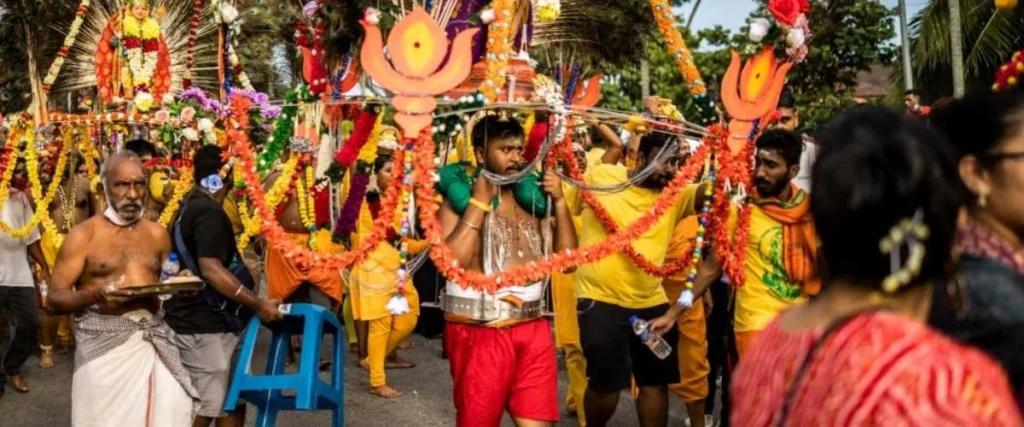
Thaipooyam is one of the most vibrant and popular temple festivals in Idukki, dedicated to Lord Murugan (Subrahmanya). Celebrated during the Malayalam month of Makaram–Kumbham (January–February), the festival marks the auspicious day when the Pooyam star coincides with the Tamil month of Thai, making it highly sacred for Murugan devotees. In Idukki, Thaipooyam is celebrated with great devotion at prominent Murugan temples, especially the Uravappara Sree Subrahmanya Swami Temple near Thodupuzha, often referred to as “Malayala Palani.” Thousands of devotees gather to offer prayers, fulfill vows, and seek blessings for health, prosperity, and success. The highlight of Thaipooyam celebrations is the Kavadi Attam, where devotees carry beautifully decorated kavadis as an act of penance and devotion. The festival atmosphere is filled with traditional percussion music, chanting, and colorful processions, creating a powerful spiritual and cultural experience. Thaipooyam in Idukki reflects intense faith, discipline, and community participation. Set amid the district’s serene hills and temple surroundings, the festival stands as a symbol of devotion and spiritual strength, making it one of the most significant and visually striking festivals in Idukki.

Thaipooyam Read More »

Maha Shivaratri in Idukki

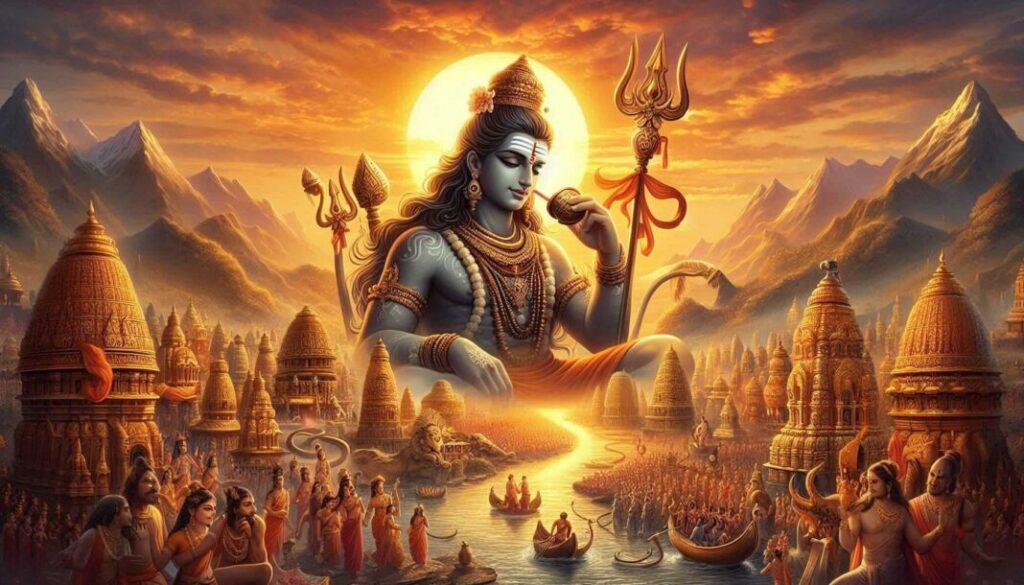
Maha Shivaratri is one of the most important and widely celebrated temple festivals in Idukki, dedicated to Lord Shiva, the symbol of destruction and renewal. Observed in the Malayalam month of Kumbham (February–March), the festival holds deep spiritual significance and attracts large numbers of devotees to Shiva temples across the district. In Idukki, Maha Shivaratri is marked by night-long prayers and rituals, as devotees believe that worshipping Lord Shiva on this sacred night brings peace, prosperity, and spiritual liberation. Temples such as Thodupuzha Sree Mahadeva Temple and other local Shiva shrines conduct special poojas, abhishekams, and chanting of sacred mantras throughout the night. A key aspect of Maha Shivaratri celebrations in Idukki is fasting (vratham), observed by many devotees as a form of self-discipline and devotion. The festival atmosphere is filled with devotional songs, bhajans, and the rhythmic sound of temple bells and traditional instruments, creating a serene and powerful spiritual environment. Set against Idukki’s misty hills and calm temple surroundings, Maha Shivaratri becomes a deeply meditative and spiritual experience. The festival reflects the district’s strong temple traditions, devotion to Lord Shiva, and the enduring cultural values of faith, discipline, and inner renewal, making it one of the most revered festivals in Idukki.

Maha Shivaratri in Idukki Read More »

Mandala Pooja & Makaravilakku

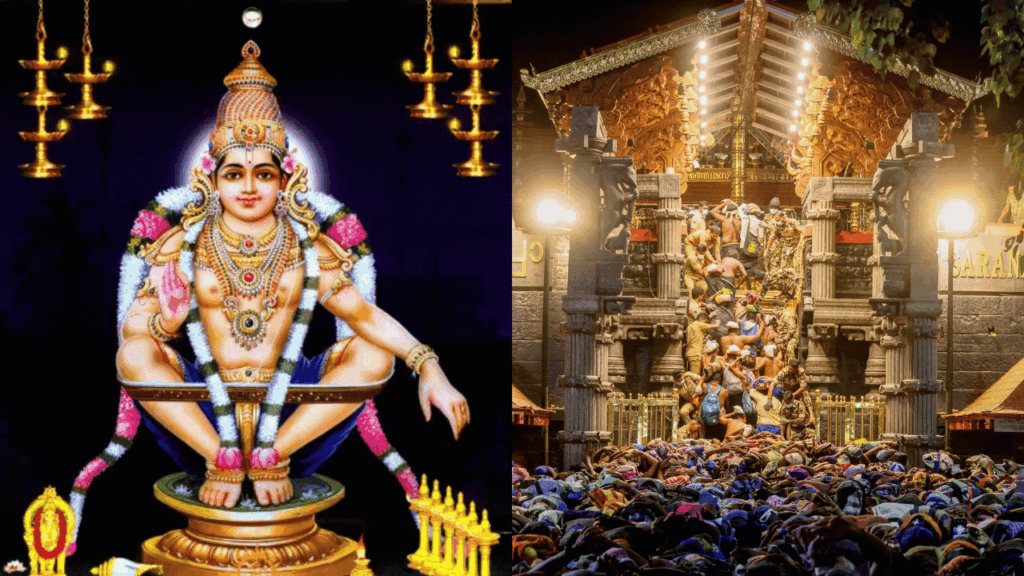
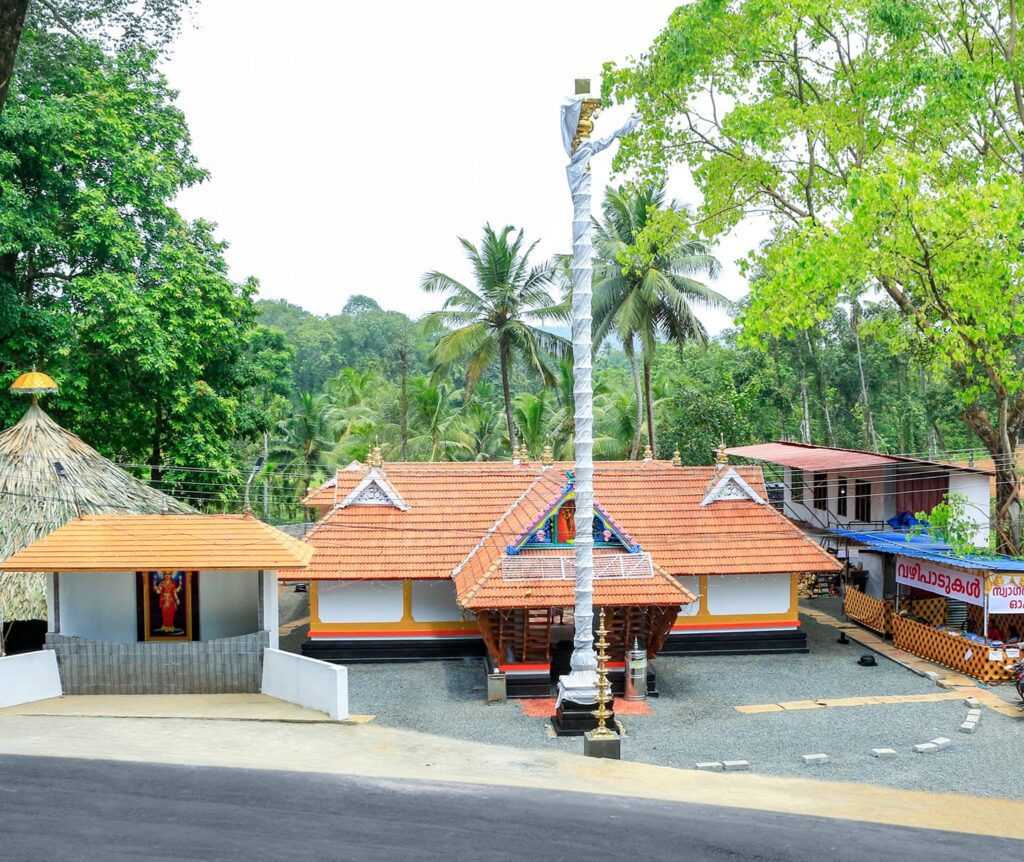
Mandala Pooja and Makaravilakku are among the most spiritually significant and widely observed festivals in Idukki, deeply connected to the worship of Lord Ayyappa. Celebrated during November to January, these sacred observances create a powerful devotional atmosphere across the district, as Idukki lies close to Sabarimala, one of the most important pilgrimage centers in India. Mandala Pooja Mandala Pooja marks the conclusion of the 41-day Mandala Vratham, a period of strict spiritual discipline followed by Ayyappa devotees. During this time, devotees observe celibacy, simplicity, vegetarian food, and daily prayers. Ayyappa temples throughout Idukki conduct special poojas, bhajans, and evening rituals, drawing large numbers of worshippers from nearby towns and villages. The festival emphasizes self-discipline, devotion, and equality, core principles of Lord Ayyappa worship. Makaravilakku Following Mandala Pooja, Makaravilakku is celebrated in mid-January during the Malayalam month of Makaram. The appearance of the sacred Makara Jyothi (celestial light) on the hill near Sabarimala is the most awaited moment of the festival. Devotees from Idukki actively participate by undertaking pilgrimages, organizing devotional gatherings, and conducting special temple rituals. The event symbolizes divine presence, faith, and spiritual fulfillment. Significance in Idukki In Idukki, Mandala Pooja and Makaravilakku are more than festivals—they are deep spiritual journeys. Roads, towns, and temples resonate with chants of “Swamiye Saranam Ayyappa,” and communities come together to support pilgrims with food, rest, and prayers. These festivals highlight Idukki’s strong spiritual culture, community harmony, and its close connection to one of Kerala’s most revered religious traditions. Together, Mandala Pooja and Makaravilakku stand as powerful symbols of devotion, discipline, and faith, making them among the grandest spiritual celebrations in Idukki.

Mandala Pooja & Makaravilakku Read More »

Vishu

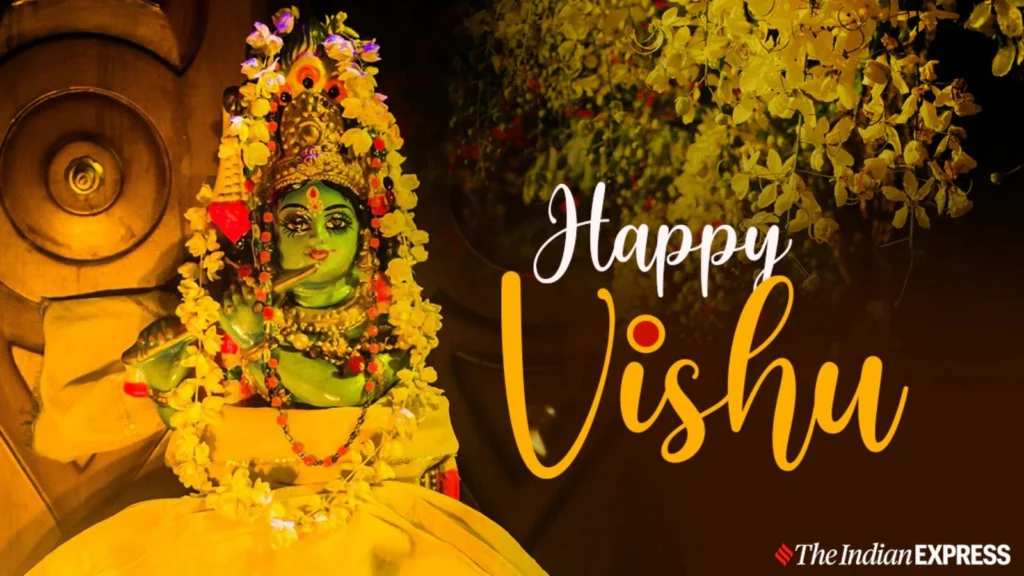
Vishu is the traditional New Year festival of Kerala and one of the most important celebrations in Idukki. Observed in the month of Medam (April), Vishu marks new beginnings and is deeply connected to hope, prosperity, and the agricultural cycle, which holds special significance in Idukki’s hill and plantation regions. The day begins with the auspicious ritual of Vishukkani, where family members view a carefully arranged display at dawn. The Vishukkani usually includes rice, golden cucumber, fruits, flowers, coins, mirror (valkannadi), and a lit lamp, symbolizing abundance and positivity for the year ahead. In Idukki, many households also include fresh produce from local farms and plantations, reflecting the region’s close relationship with nature. Another cherished tradition is Vishukkaineettam, where elders gift money to children and younger family members as a blessing. People visit temples early in the morning to seek divine blessings, and temples across Idukki conduct special poojas and rituals on Vishu day. Celebrations continue with fireworks, family gatherings, and festive meals, though they are usually simpler than Onam. Vishu in Idukki is calm, spiritual, and deeply meaningful, symbolizing a fresh start and renewed optimism. The festival beautifully reflects the district’s cultural values, agricultural roots, and spiritual traditions, making Vishu a cherished New Year celebration in the high ranges of Kerala.

Vishu Read More »

Onam – The Grand Festival in idukki

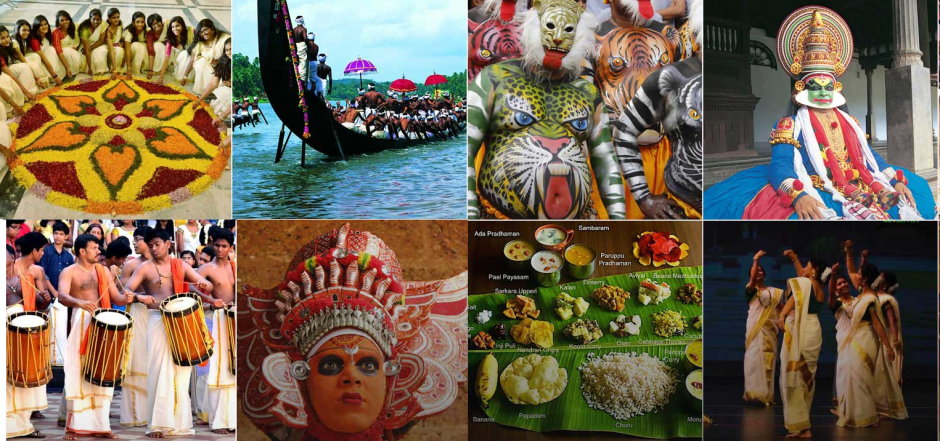
Onam is the most important and widely celebrated festival in Idukki, bringing together people from all communities in a joyful celebration of Kerala’s culture, tradition, and unity. Celebrated during the Malayalam month of Chingam (August–September), Onam marks the legendary return of King Mahabali, whose reign is believed to have been a golden age of peace, prosperity, and equality. In Idukki, Onam has a distinct high-range charm. The celebrations blend traditional Kerala customs with the region’s hill culture, plantation life, and tribal heritage. Homes, public offices, schools, and town centers are decorated with colorful pookalam (floral designs) made from fresh flowers collected from the surrounding hills. Cultural programs, folk dances, and traditional games add vibrancy to towns and villages across the district. A major highlight of Onam in Idukki is the Onam Sadya, a grand vegetarian feast served on banana leaves, prepared with locally grown vegetables and traditional recipes. Though large snake boat races are rare due to the hilly terrain, smaller cultural events, processions, and community gatherings keep the festive spirit alive. Onam in Idukki is not just a festival—it is a celebration of harmony between people and nature, reflecting the district’s agrarian roots, cultural diversity, and strong sense of community. The festival reinforces values of unity, gratitude, and respect for tradition, making it truly deserving of its title as “The Grand Festival of Idukki.”

Onam – The Grand Festival in idukki Read More »

Sree Annapoorneswari Navagraha Bhadrakali Temple

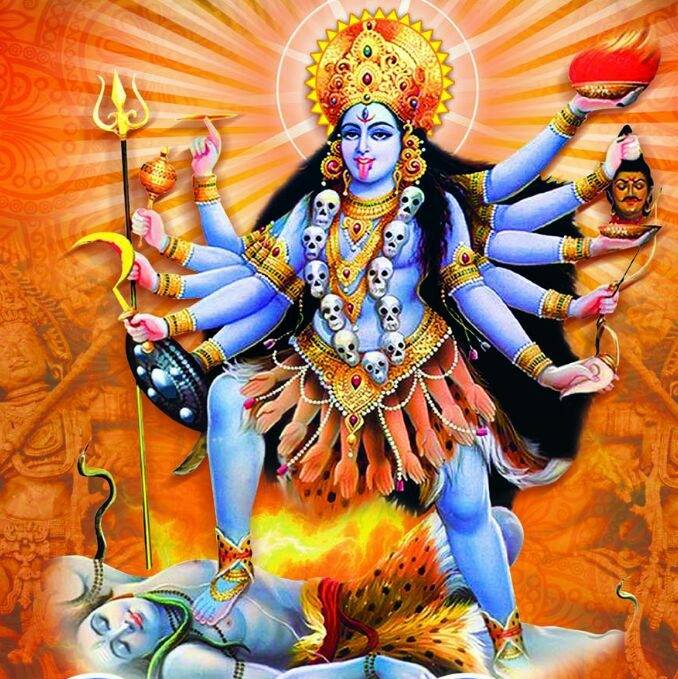
Sree Annapoorneswari Navagraha Bhadrakali Temple is a revered Hindu shrine located in Thodupuzha, Idukki district, Kerala. It is one of the most significant Devi temples in the region, known for the worship of Goddess Annapoorneswari—an incarnation of Goddess Parvati representing nourishment and abundance—and Goddess Bhadrakali, symbolizing divine power and protection. Religious Significance The temple combines the worship of Annapoorneswari and Bhadrakali with Navagraha (nine planetary deities) rituals, offering devotees a unique spiritual experience that unites nourishment, strength, and astrological harmony. Devotees believe the presiding deity blesses them with prosperity, health, and protection from planetary afflictions. Annual Festival The temple’s major annual festival takes place in the Malayalam month of Kumbham (February–March) and lasts for five days. The celebrations include traditional processions such as Thalappoli and cultural performances of Kerala’s classical and folk arts. The temple is elaborately decorated with plantain, coconut leaves, and lamps. A key highlight is the Pongala ritual, where thousands of women prepare a sweet offering made of rice, molasses, coconut, and nuts to honor the goddess. Architecture and Deity Depiction The principal idol depicts Annapoorneswari holding a vessel of food in one hand and a ladle in another—symbols of sustenance and benevolence. Traditional Kerala temple architecture and serene surroundings enhance the spiritual ambiance of the shrine. Cultural Role Beyond its religious importance, the temple serves as a focal point for community gatherings and the preservation of local performing arts. Its festivals and rituals draw devotees and tourists from across the Idukki district and neighboring regions, underscoring its cultural and spiritual relevance in Kerala’s temple heritage 

Sree Annapoorneswari Navagraha Bhadrakali Temple Read More »

Puthukkulam Sree Nagaraja Temple, Thodupuzha

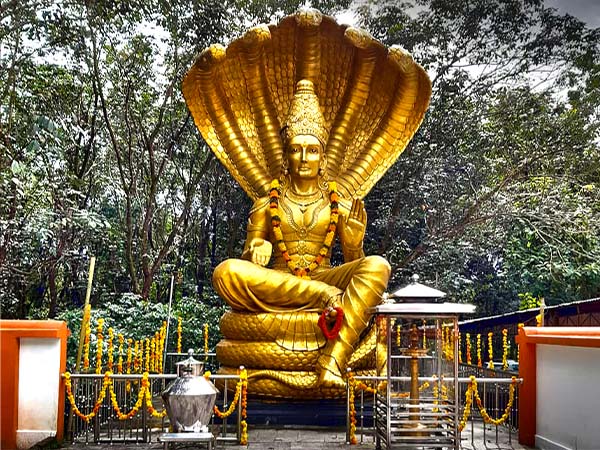
Puthukkulam Sree Nagaraja Temple is a historic Hindu temple located on Mullackal Temple Road, Thodupuzha, in the Idukki district of Kerala, India. It is notable for being one of the few temples where the serpent deity Nagaraja serves as the presiding deity, attracting devotees seeking blessings for prosperity, health, and protection from serpent-related doshas. Background and Legend The temple’s mythology traces back to the legend of Lord Parasurama, who created Kerala by casting his axe into the sea. When serpents overran the new land, he sought help from Lord Parameshwara, who directed him to Lord Ananthaswamy. After Parasurama’s penance, Ananthaswamy subdued the serpents, symbolizing harmony between humans and nature—a theme still reflected in the temple’s rituals.  Worship and Rituals Daily poojas begin at dawn with Abhishekam and continue through evening ceremonies like Deeparadhana and Athaazha Pooja. Prominent offerings include Sarpa Bali, Ashtanaga Pooja, and Ayilyam Pooja, all dedicated to serpent deities for removing afflictions and bringing peace. The annual Ayilya Maholsavam, celebrated during the Malayalam month of Kanni, features Sarppabali and grand processions honoring Nagaraja. Architecture and Setting Located near the Thodupuzha River, the temple blends traditional Kerala architectural features with modern renovations, including a prominent Nagaraja statue that is a local landmark. The temple grounds provide ample space for devotees and visitors, maintaining a tranquil atmosphere amid lush surroundings.  Cultural Importance Puthukkulam Sree Nagaraja Temple serves as both a spiritual and cultural center for the Thodupuzha community. It is managed by the Sree Nagaraja Swamy Trust and continues ancient serpent worship traditions that highlight Kerala’s deep ecological and spiritual heritage. 

Puthukkulam Sree Nagaraja Temple, Thodupuzha Read More »

Anchakkulam Sree Mahadevi Temple

Anchakkulam Sree Mahadevi Temple is a Hindu temple and spiritual center located in Thodupuzha, Idukki district, Kerala. Dedicated to Goddess Mahadevi, it serves as a focal point of worship and cultural life in the region, emphasizing devotion to the divine feminine power, or Shakti. The temple is managed under the Anchakkulam Devaswom Trust.  Deity and Worship The presiding deity, Mahadevi, embodies the universal mother goddess who manifests as Durga, Lakshmi, and Saraswati—representing strength, prosperity, and wisdom. Regular poojas and daily rituals are conducted from early morning until late evening, inviting devotees to seek spiritual well-being and divine blessings.  Festivals and Rituals Two major annual festivals highlight the temple’s calendar. Cultural and Spiritual Significance The temple’s origin is deeply rooted in the ancient traditions of Anchakkulam, a region known for preserving sacred groves and ecological harmony. Local history describes the site as a revived sacred landscape once revered as a “kavu,” symbolizing the coexistence of humans and nature under divine guardianship.  Anchakkulam Sree Mahadevi Temple remains an important religious and cultural destination in Idukki, blending devotion, community service, and traditional ecological reverence within the framework of Kerala’s temple heritage.

Anchakkulam Sree Mahadevi Temple Read More »

Listings
News
Home
Jobs
Contact