About

About Idukki

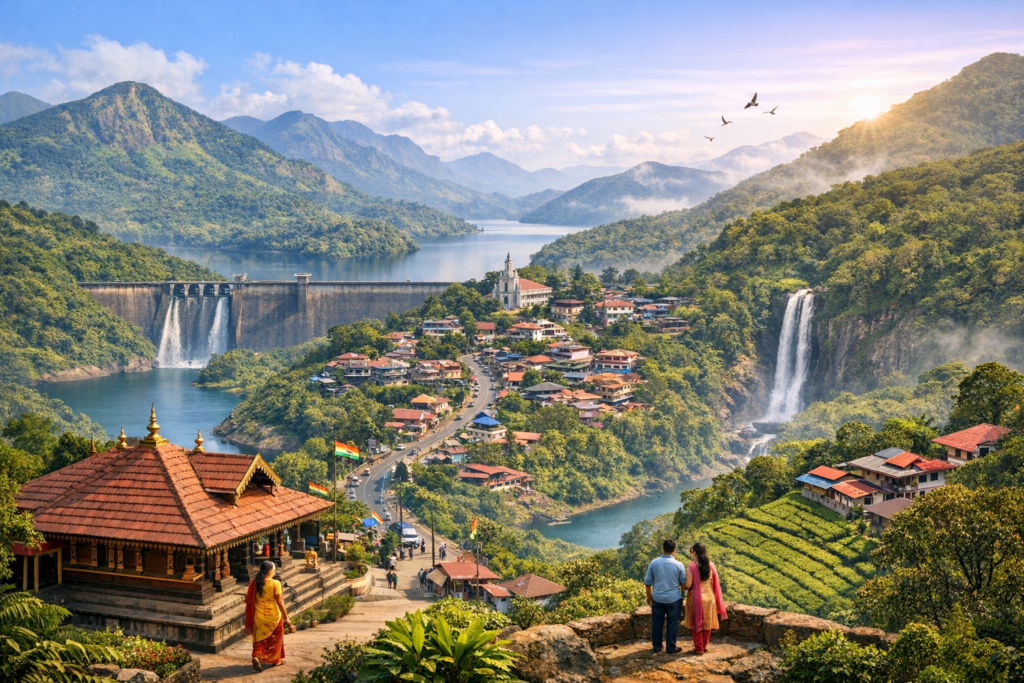
Idukki Town is a picturesque hill town located in Idukki District of Kerala, nestled deep within the Western Ghats, one of the world’s richest biodiversity hotspots. Known for its cool climate, unspoiled natural beauty, and tranquil lifestyle, Idukki is widely regarded as one of Kerala’s most environmentally significant regions. The town reflects a rare harmony between nature, culture, and development, making it a unique destination in the state.Unlike Kerala’s coastal cities, Idukki Town is surrounded by steep mountains, dense forests, deep gorges, and fertile high-range lands. The town acts as a vital center for administration, tourism, education, and commerce for the surrounding hill regions.

Historical Background

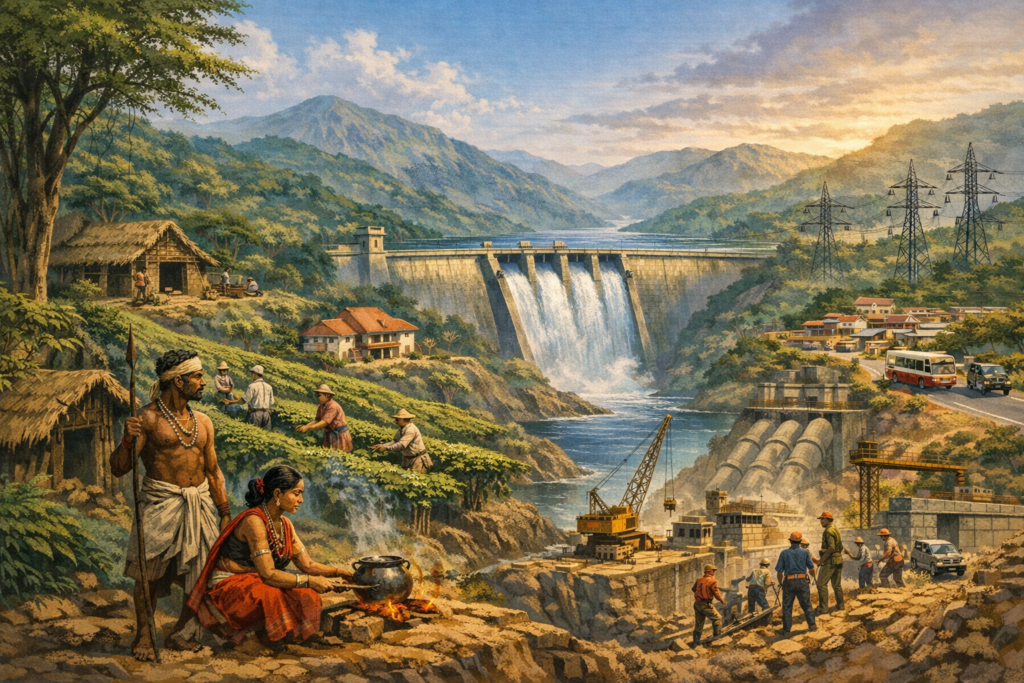
The history of Idukki Town is closely linked with forest life, tribal communities, and later settlement activities. Originally inhabited by indigenous tribal groups, the region gradually developed during the colonial and post-independence periods with the introduction of plantation agriculture and hydroelectric projects.

The construction of major dams, especially the Idukki Arch Dam, marked a turning point in the town’s development. These projects not only contributed to Kerala’s power sector but also brought improved infrastructure, employment opportunities, and connectivity to the region.

Geography and Climate

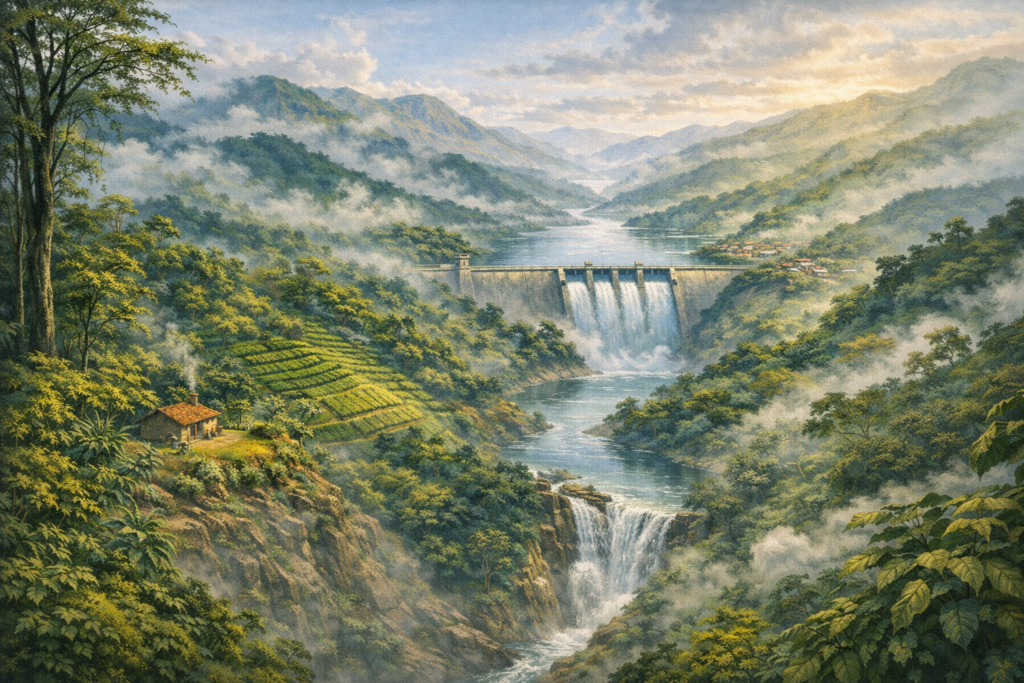
Idukki Town lies at a high altitude compared to most parts of Kerala, resulting in a pleasant and cooler climate throughout the year. The region experiences misty mornings, moderate summers, and refreshing monsoons that enhance its natural beauty.

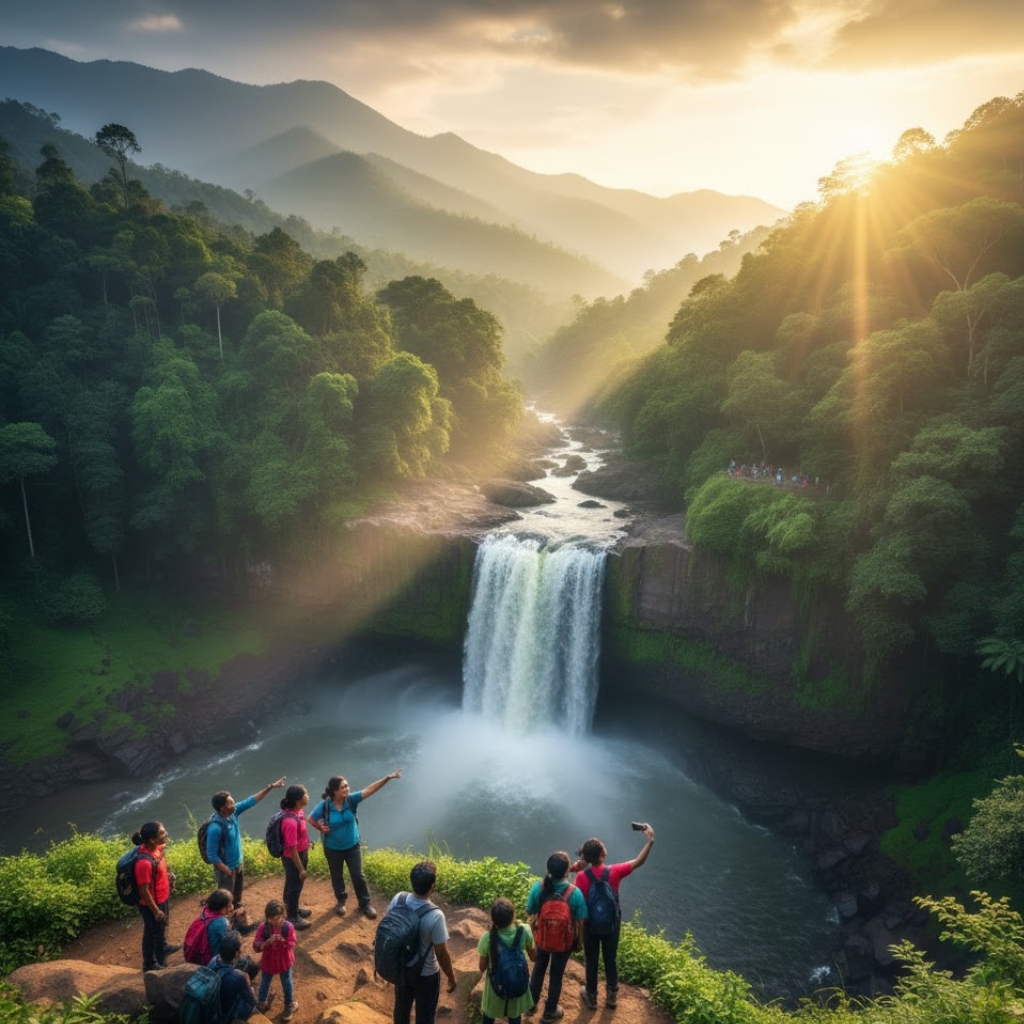
The terrain is hilly and forested, with valleys, rivers, reservoirs, and waterfalls shaping the landscape. The rich soil and favorable climate support extensive cultivation of spices and plantation crops, making the area agriculturally significant.

Biodiversity and Forest Wealth

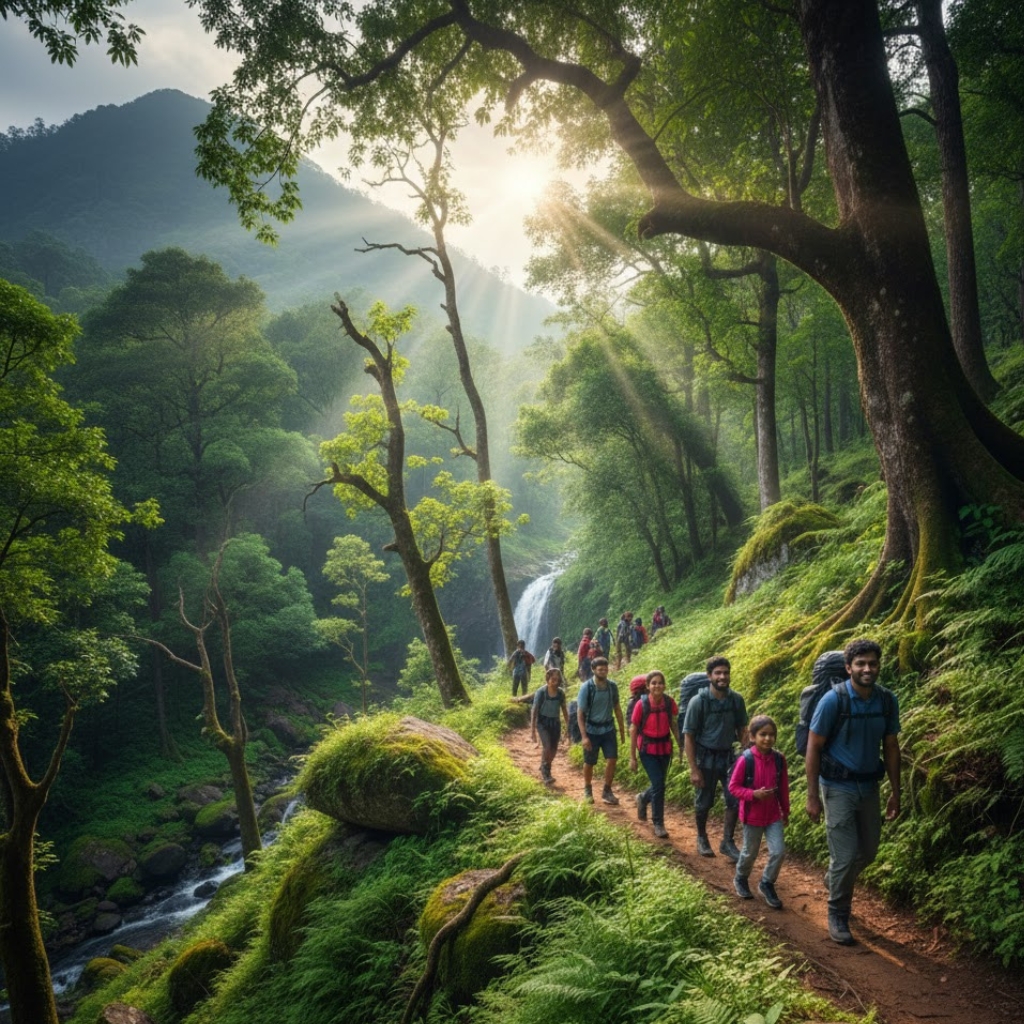
Idukki Town lies within the Western Ghats, one of the world’s most important biodiversity hotspots. The region is rich in forests, wildlife, and natural resources, making it one of Kerala’s most environmentally significant areas. A large portion of the land around Idukki is covered with evergreen, semi-evergreen, and moist deciduous forests that support a wide variety of plant and animal life.

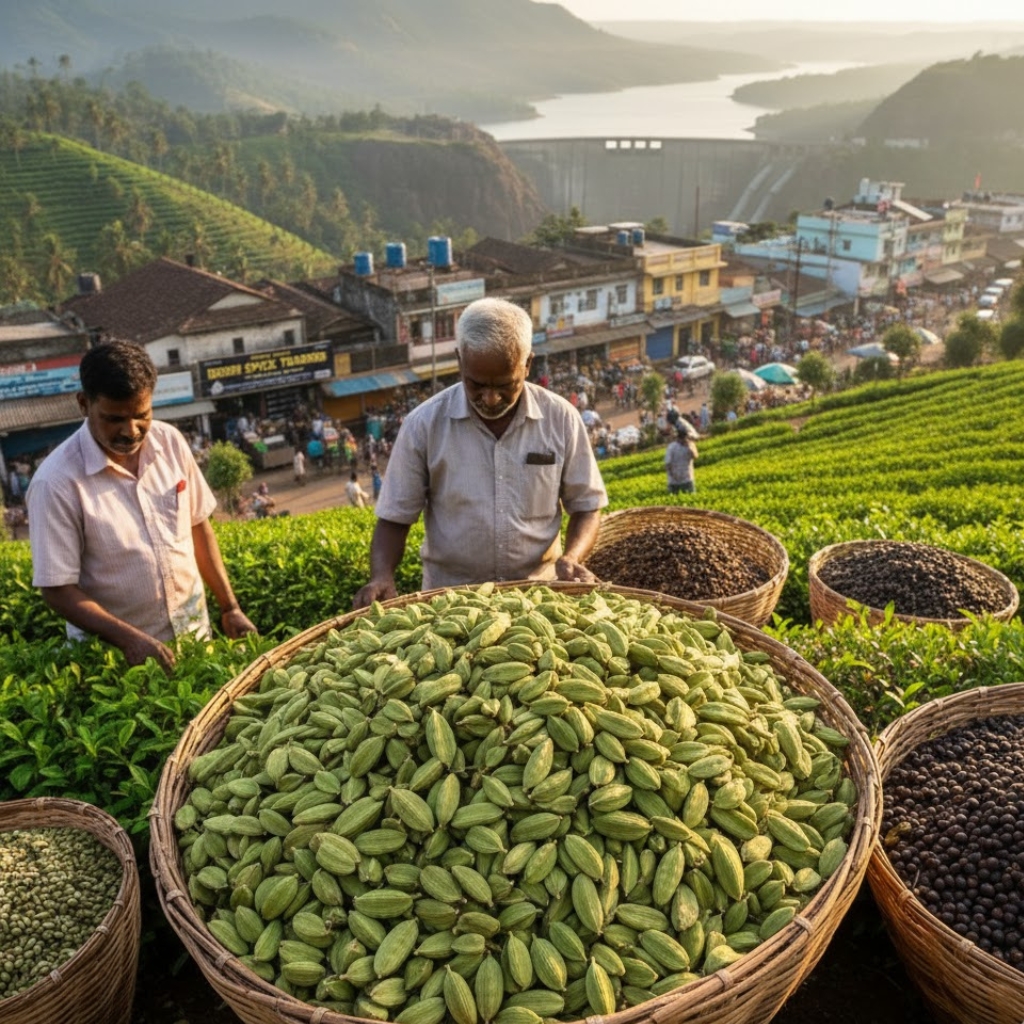
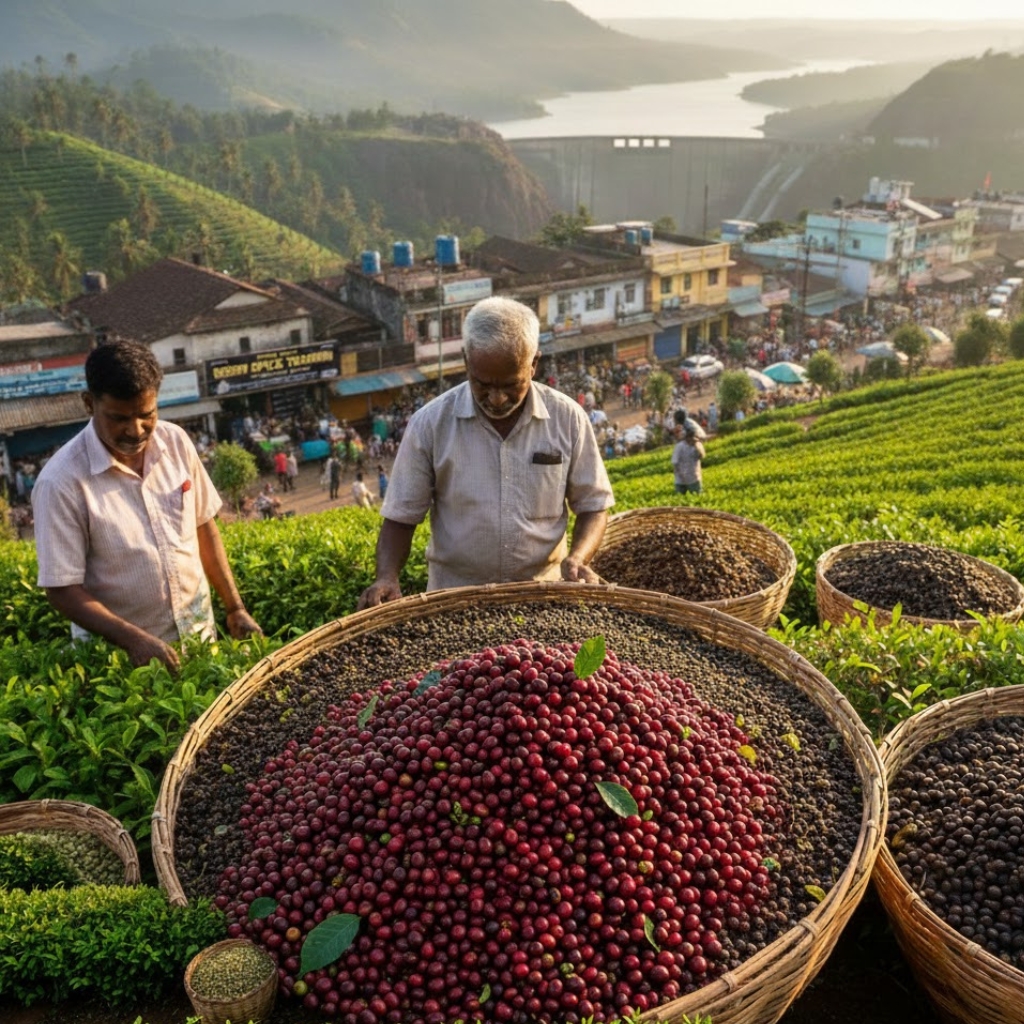
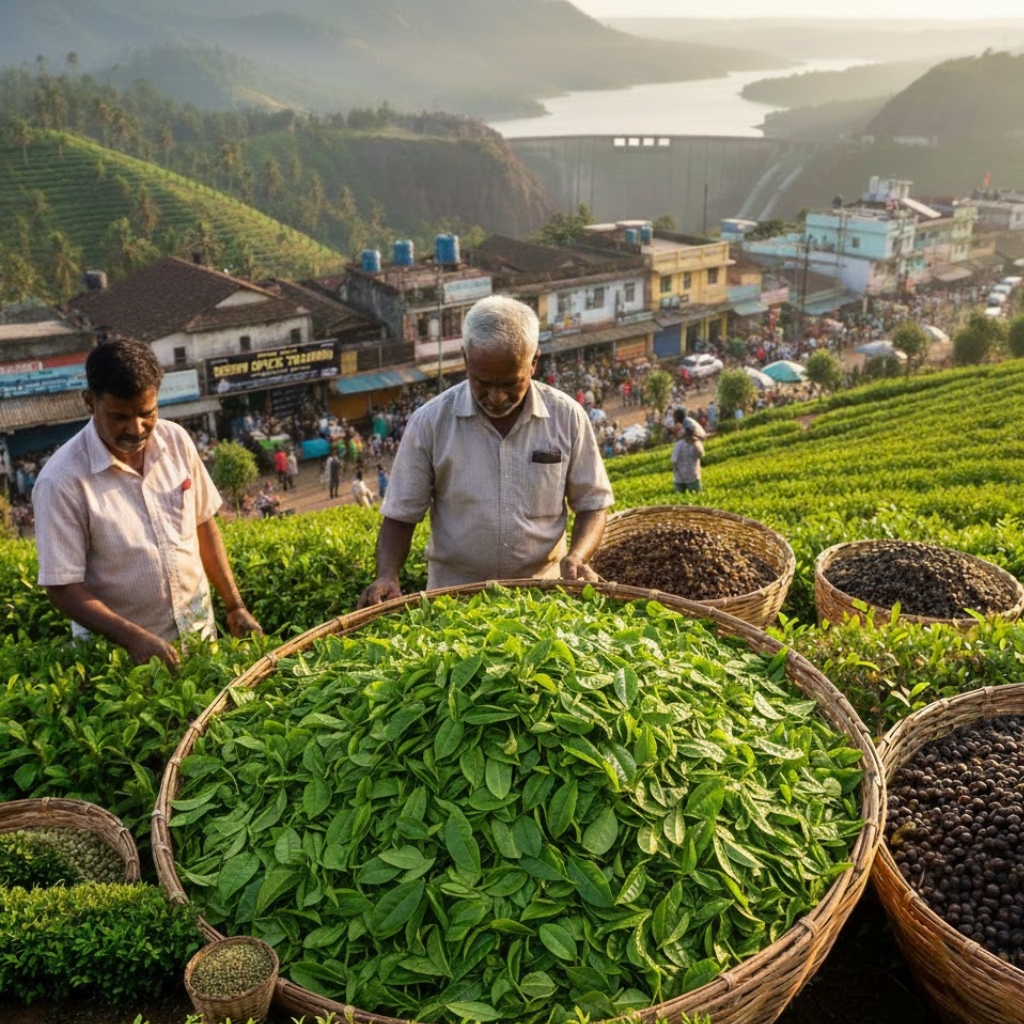
The forests of Idukki are home to diverse flora, including rare and endemic plant species, medicinal herbs, bamboo, and flowering plants. These forests also create ideal conditions for spice cultivation such as cardamom, pepper, coffee, and tea, which are closely linked to the local economy.

Idukki’s forest ecosystem supports a wide range of wildlife, including elephants, deer, wild boar, monkeys, birds, butterflies, and reptiles. The region is also known for its rich birdlife, attracting both resident and migratory species. Several protected forest areas and wildlife habitats near the town play a vital role in preserving this biodiversity.

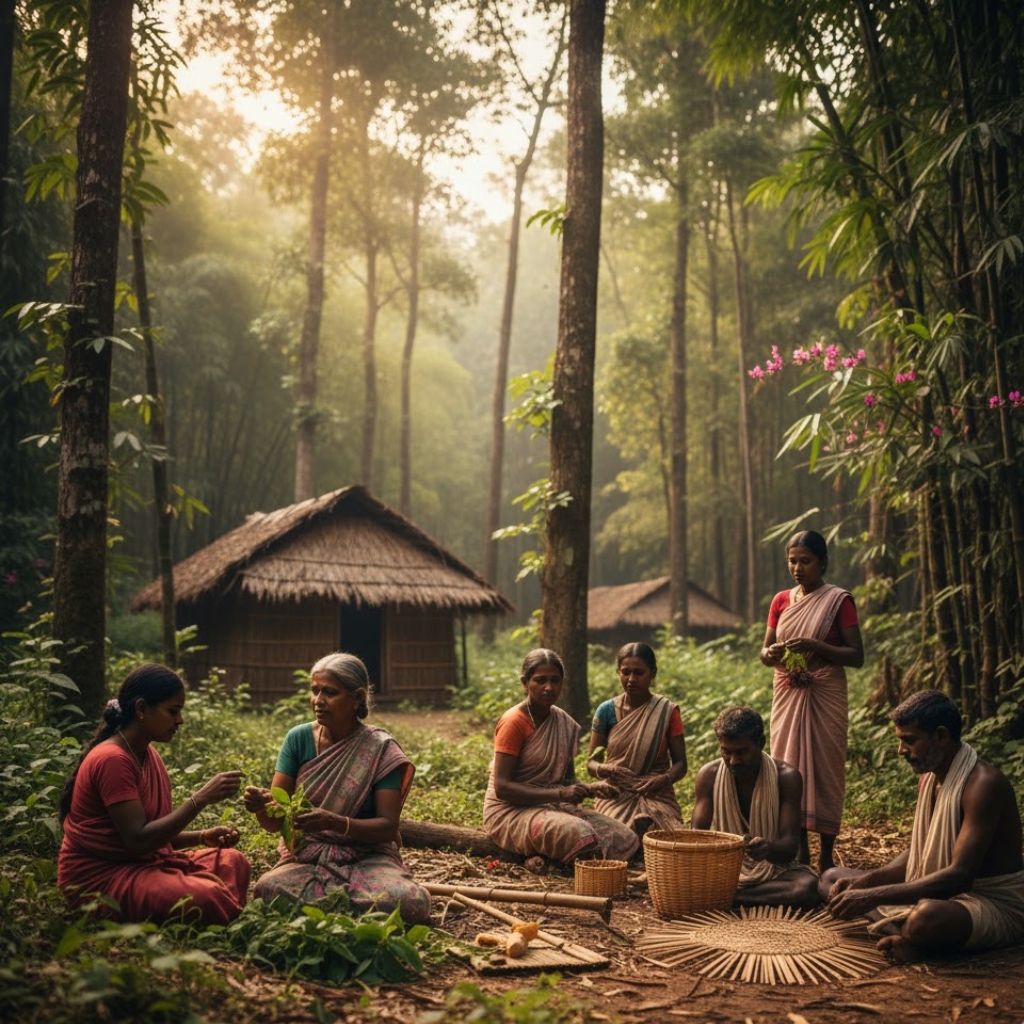
The forests surrounding Idukki are crucial for water conservation and climate balance. They help regulate rainfall, prevent soil erosion, reduce landslides, and support rivers and reservoirs that supply water and electricity across Kerala. Indigenous tribal communities have lived in harmony with these forests for generations, contributing valuable traditional knowledge to conservation practices.

Due to its ecological importance, Idukki is recognized as an environmentally sensitive zone. Conservation efforts focus on sustainable forest management, wildlife protection, community participation, and responsible tourism. Preserving biodiversity and forest wealth remains central to Idukki Town’s identity and future development.

Idukki Arch Dam and Hydroelectric Importance

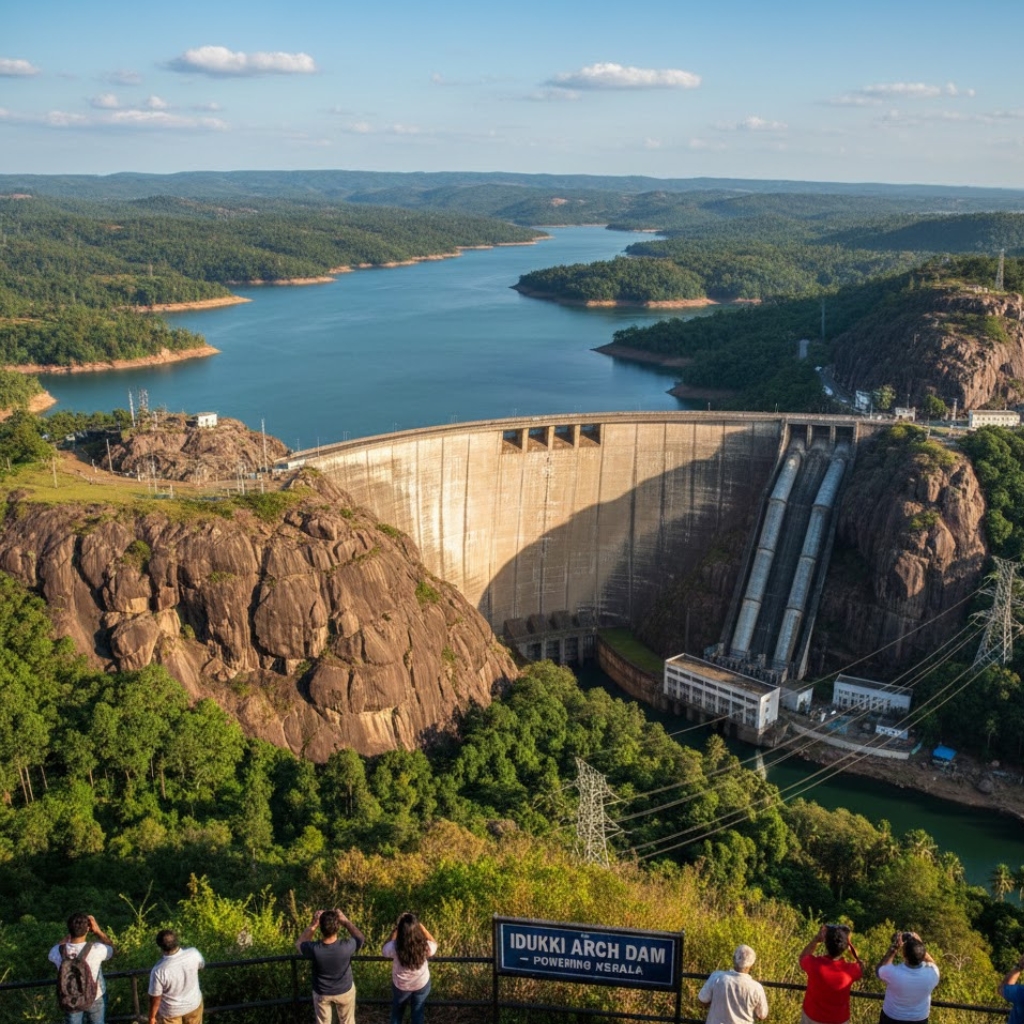
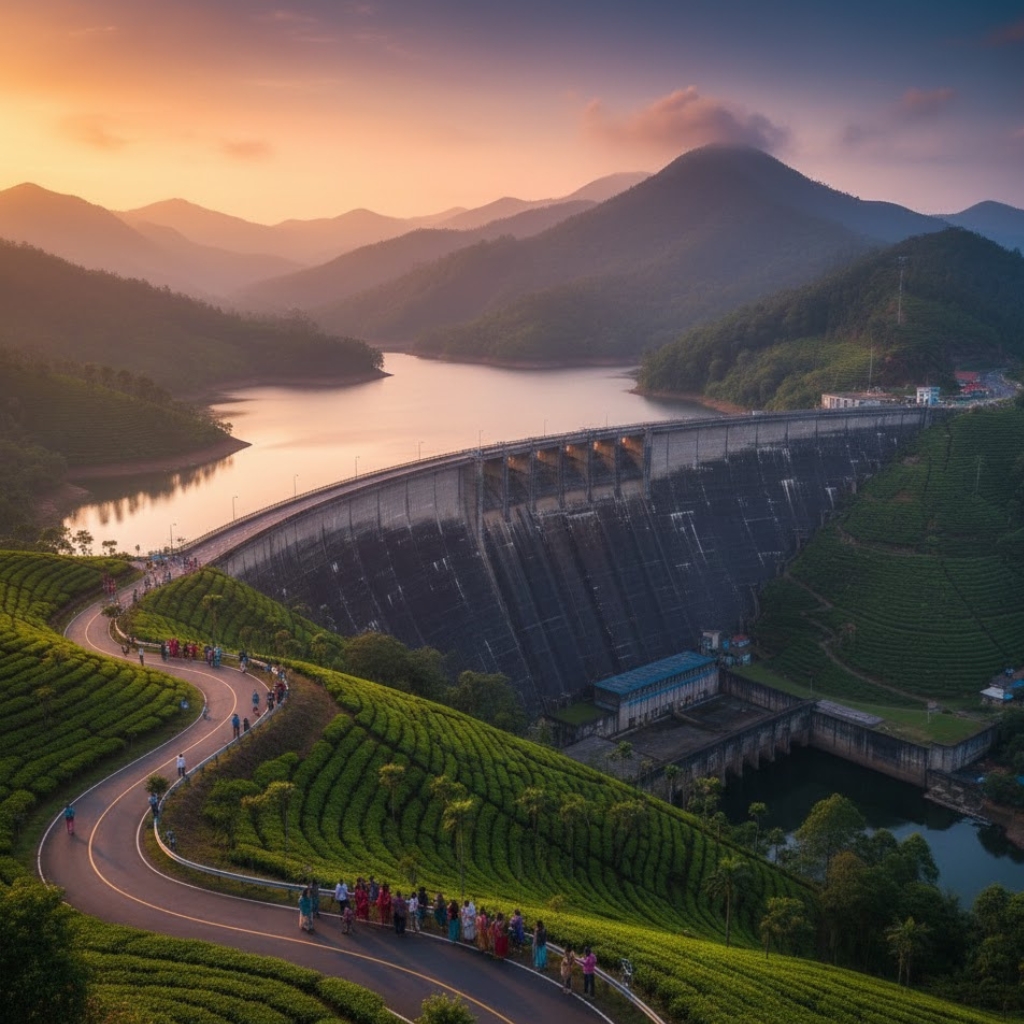
The Idukki Arch Dam, built across the Periyar River between two massive granite hills, is one of the most remarkable engineering achievements in India. It is among the highest arch dams in Asia and serves as a major source of hydroelectric power for Kerala.

Beyond its functional importance, the dam has become a landmark attraction symbolizing Idukki’s contribution to the state’s development. The surrounding reservoir and viewpoints offer breathtaking scenery and attract thousands of visitors each year.

Economy and Livelihood

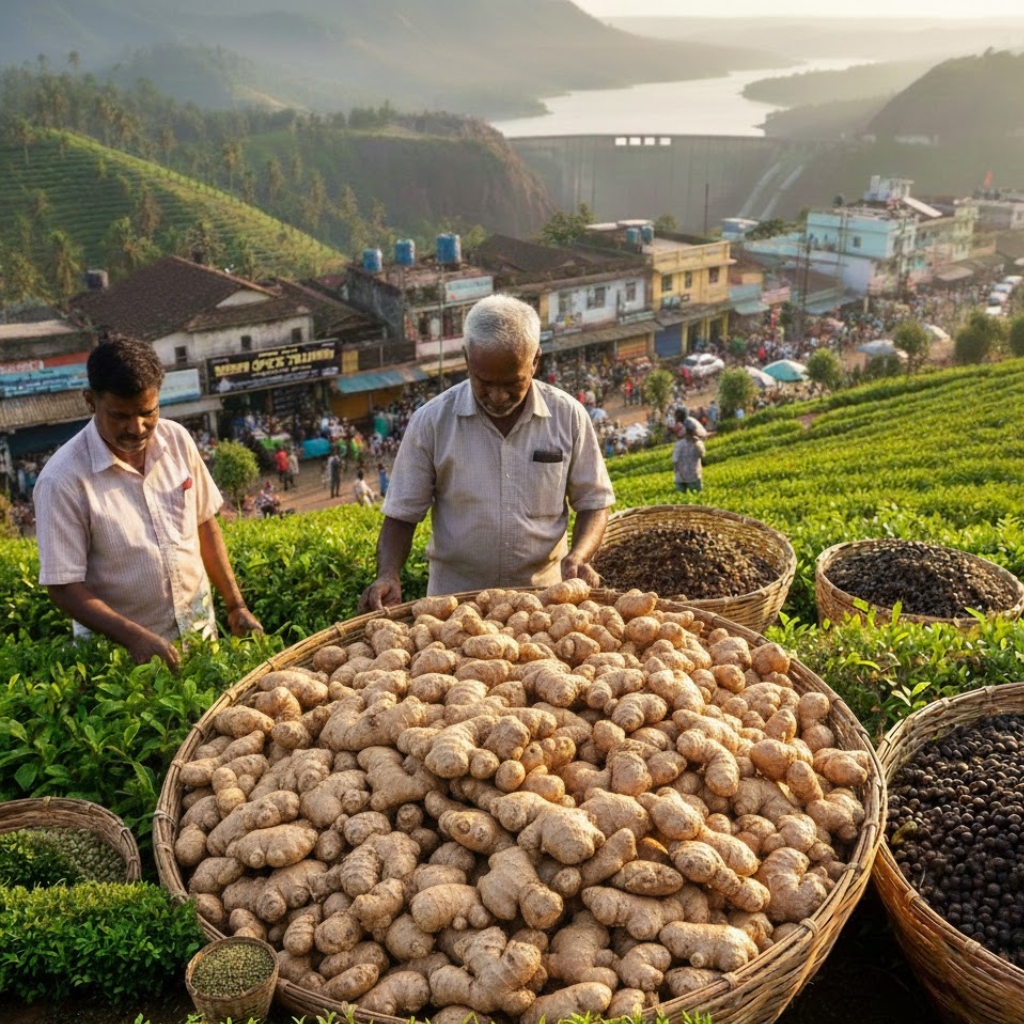
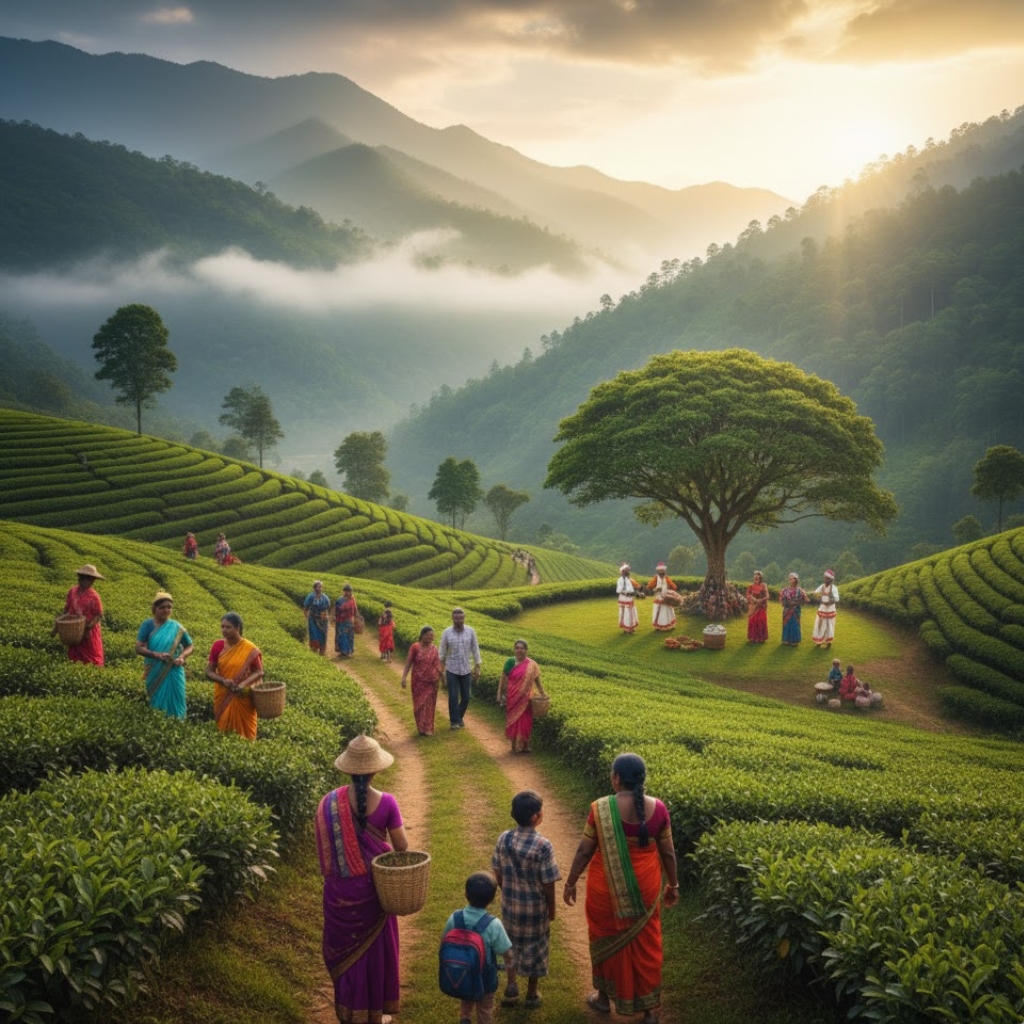
The economy of Idukki Town is supported by a combination of agriculture, tourism, small businesses, and public services. The high-range areas around the town are famous for producing premium-quality spices such as:

  • Cardamom

  • Pepper

  • Coffee

  • Tea

  • Ginger

These crops contribute significantly to both domestic markets and exports. Tourism has also emerged as a key economic driver, creating opportunities in hospitality, transport, guiding services, and local enterprises.

Culture, Communities, and Traditions

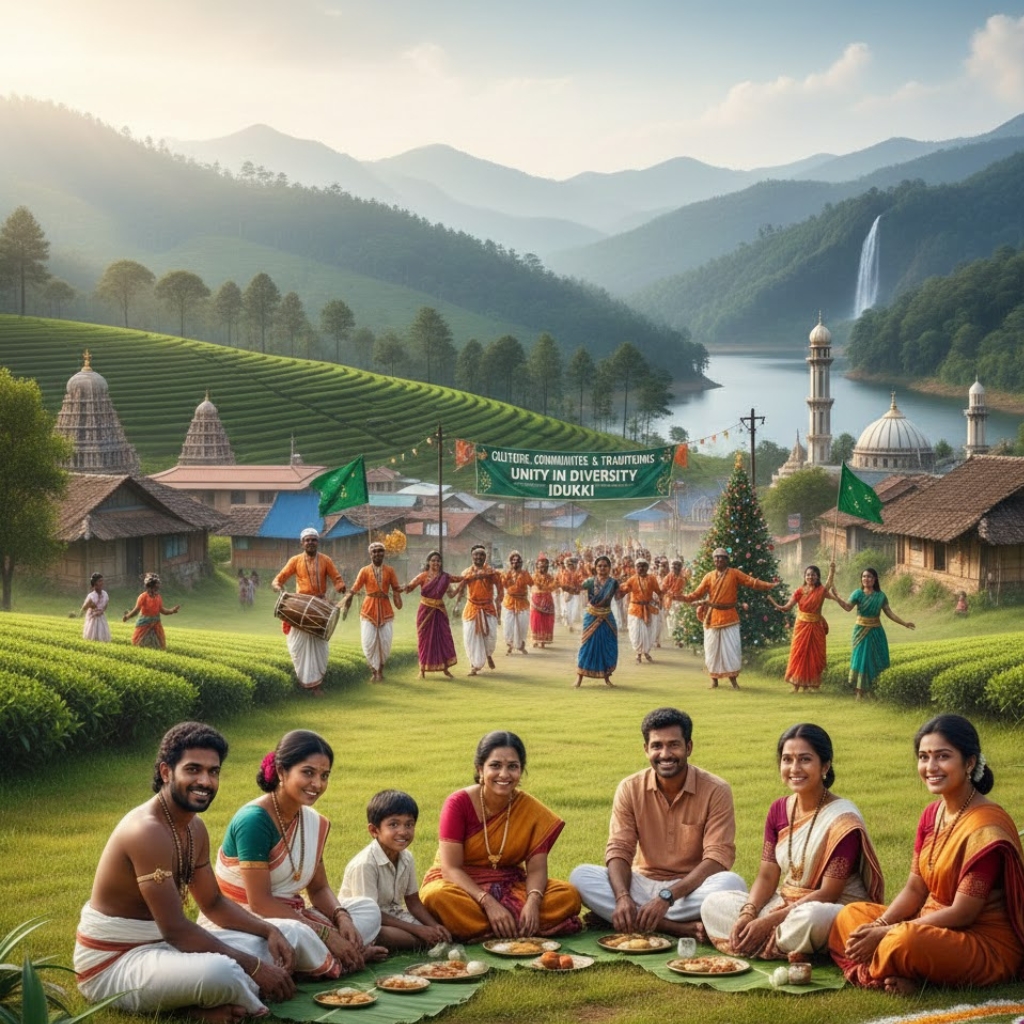
Idukki Town is a place where diverse cultures, communities, and traditions coexist in harmony. Shaped by its history, geography, and natural surroundings, the cultural identity of Idukki reflects a blend of indigenous heritage, migrant influences, and long-standing Kerala traditions. The town’s social fabric is built on mutual respect, community living, and shared values.

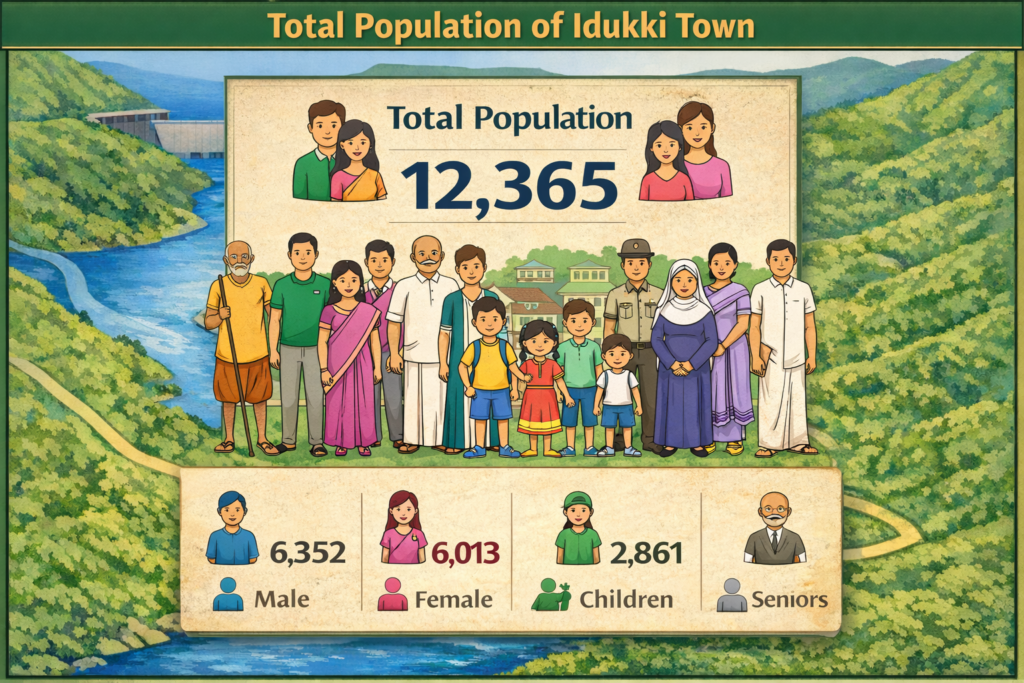
The population of Idukki includes people from various religious and cultural backgrounds, including Hindus, Christians, Muslims, and indigenous tribal communities. Over the years, settlers from different parts of Kerala have made Idukki their home, contributing to its multicultural character. This diversity has enriched the town’s language, food habits, customs, and everyday life.

Tribal communities play an important role in preserving Idukki’s traditional culture. Their close relationship with forests, deep knowledge of nature, and sustainable living practices are an integral part of the region’s heritage. Traditional arts, folk music, herbal medicine, and rituals passed down through generations continue to influence local culture.

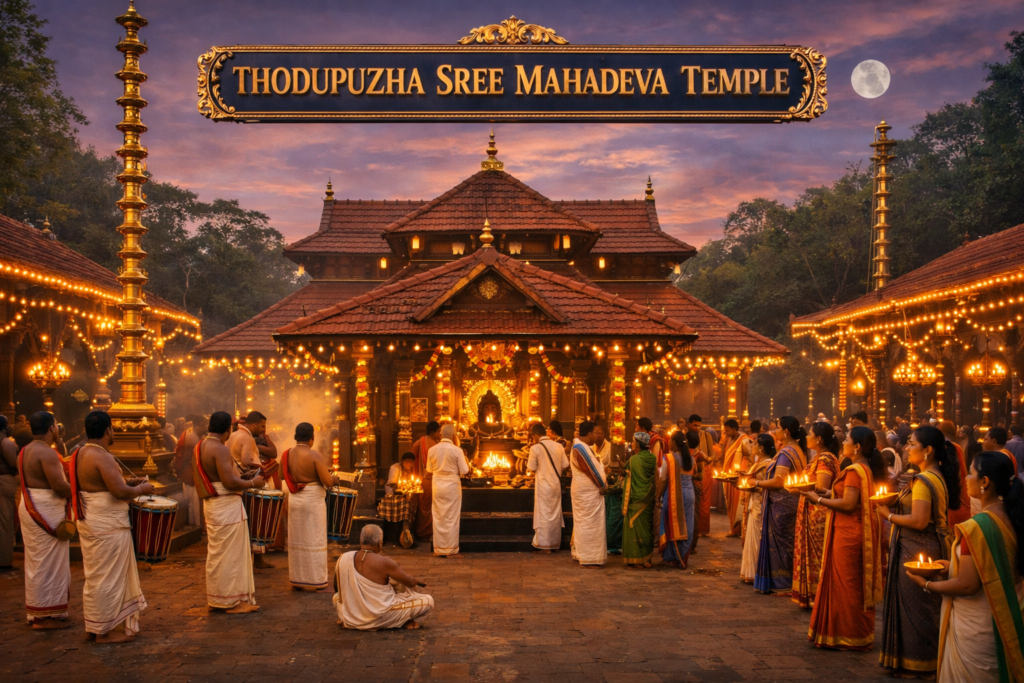
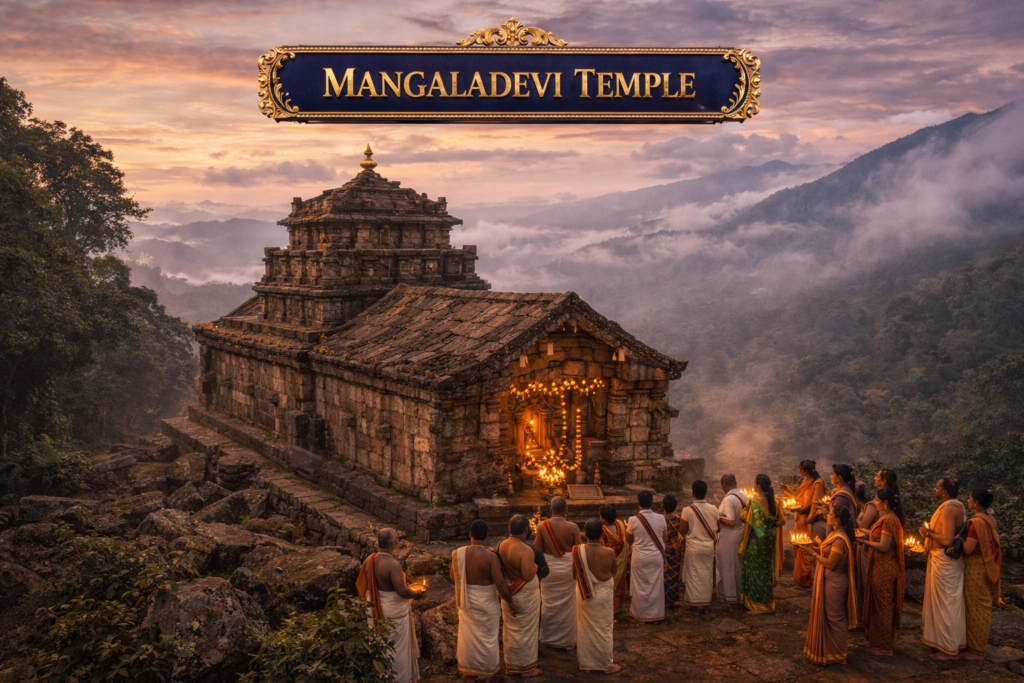
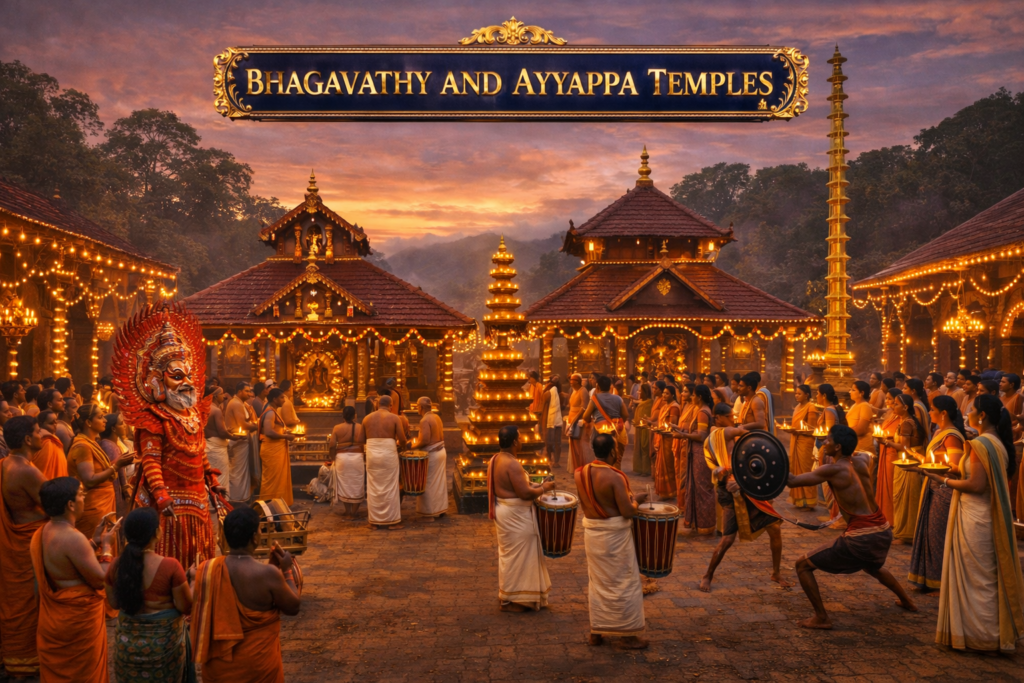
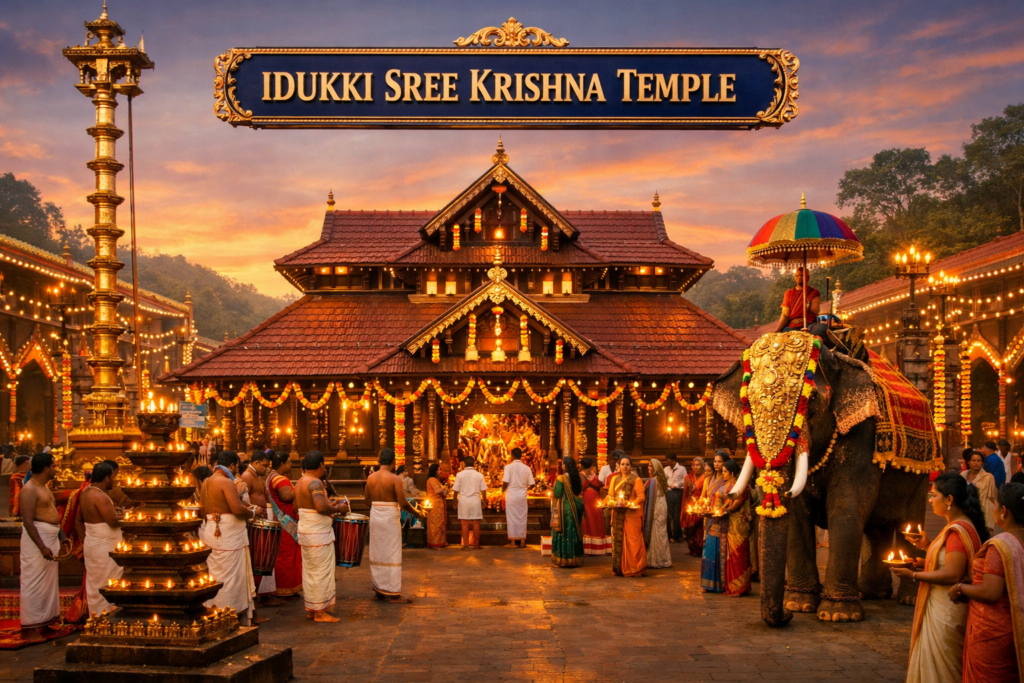
Festivals are celebrated with great enthusiasm and unity in Idukki Town. Major Kerala festivals such as Onam and Vishu, along with Christmas and Eid, are observed with equal importance. Local temple festivals, church feasts, and mosque celebrations bring communities together through processions, music, dance, and cultural programs.

Temples in Idukki Town

Tourism and Visitor Experience

Education in Idukki Town

Education plays an important role in the social and economic development of Idukki Town. Despite its hilly terrain and dispersed settlements, the town has developed a strong educational framework that serves students from Idukki Town and surrounding high-range areas. The education system focuses on accessibility, quality learning, and overall skill development.

Idukki Town is home to a range of government, aided, and private educational institutions, offering primary, secondary, and higher secondary education. Schools in the town follow state and national curricula, ensuring strong academic foundations while also encouraging extracurricular activities, sports, and cultural programs.
Higher education opportunities are provided through colleges and specialized institutions in and around Idukki Town. These institutions offer courses in arts, science, commerce, education, and professional studies, enabling students to pursue higher learning without having to move far from their hometown. Technical and vocational training centers also support skill development and employment readiness.

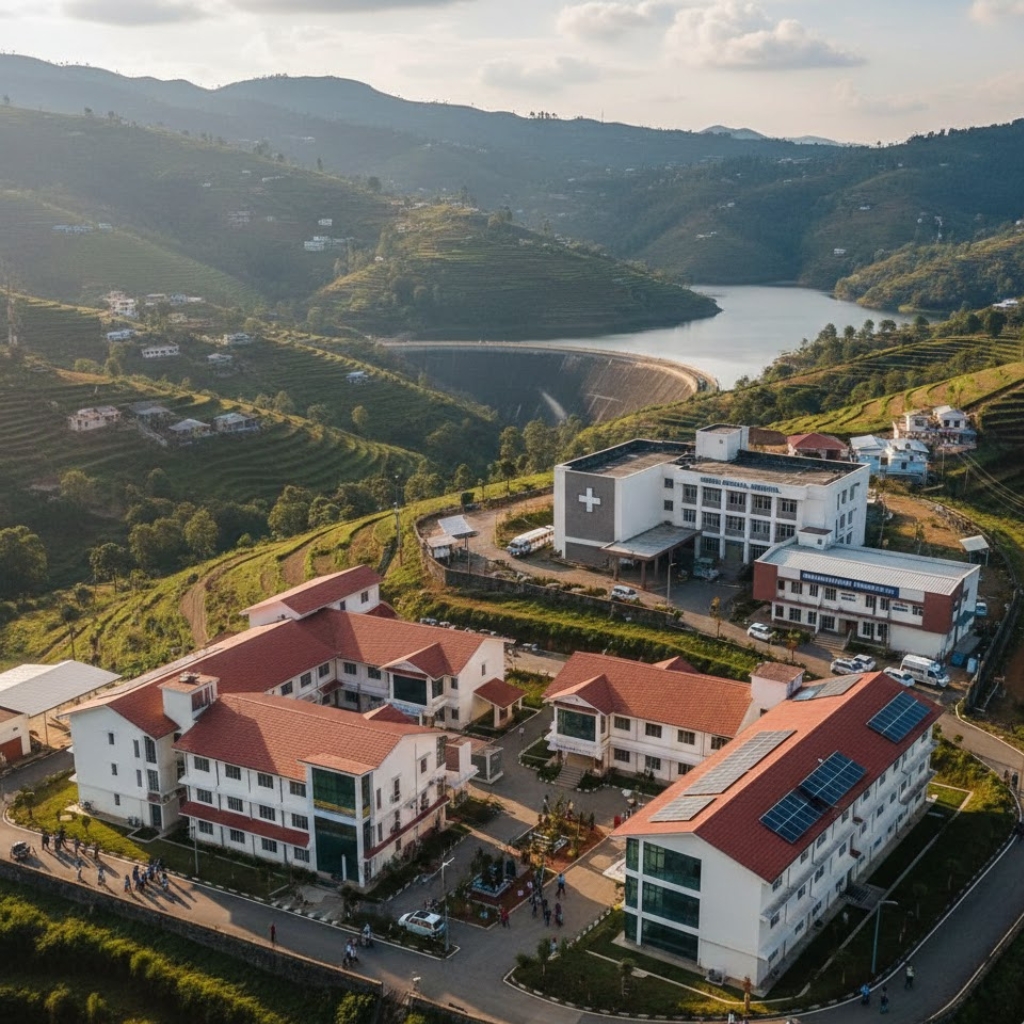
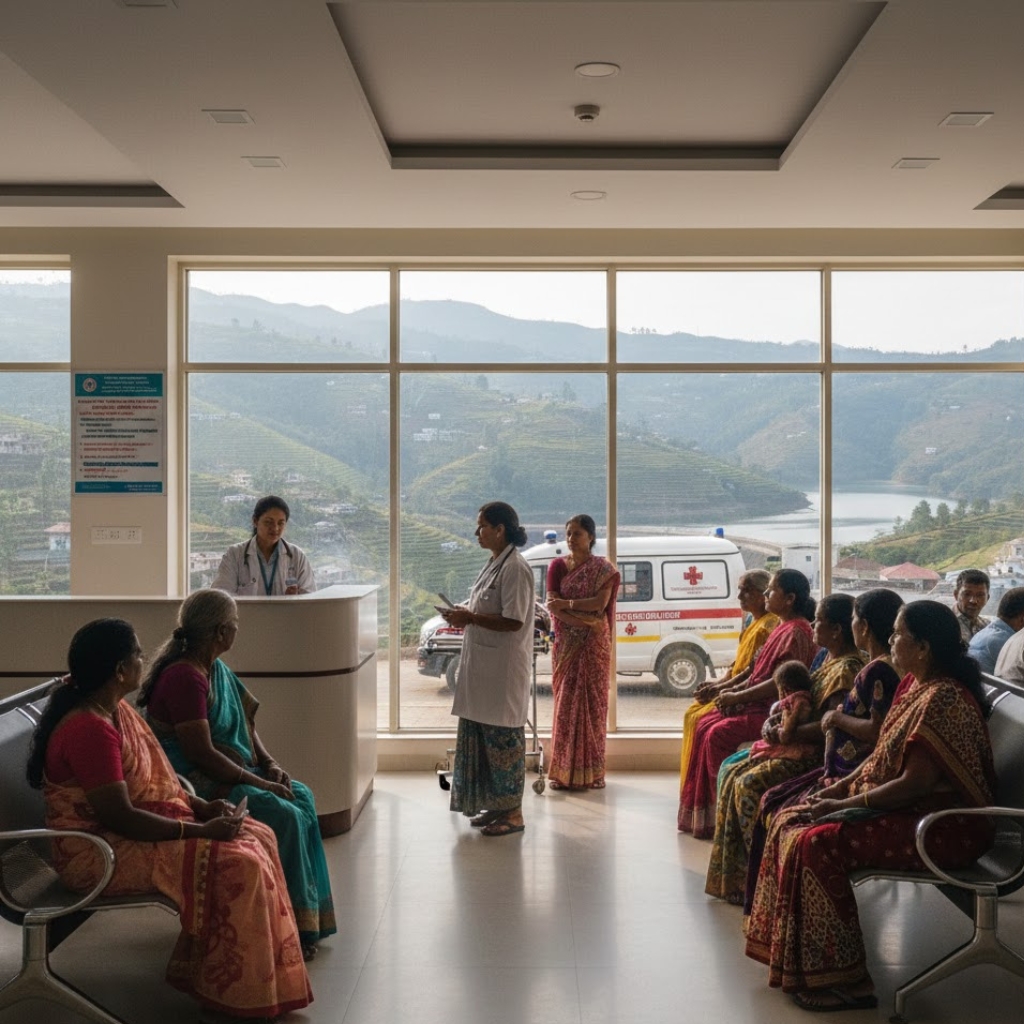
Healthcare services in Idukki Town play a vital role in supporting the well-being of residents and visitors in this high-range region. Despite its hilly terrain and dispersed population, the town has developed a dependable healthcare system that combines government facilities, private hospitals, and community health services.

Government healthcare institutions form the backbone of medical services in Idukki Town. These facilities provide affordable and accessible healthcare, including outpatient services, emergency care, maternal and child health programs, immunization, and disease prevention initiatives. Primary health centers and public hospitals serve both the town and nearby rural areas, ensuring essential medical support reaches remote communities.

Private hospitals, clinics, and diagnostic centers complement public healthcare services by offering specialized treatments, advanced diagnostics, and outpatient care. These facilities help reduce the need for residents to travel long distances for medical attention and improve overall healthcare accessibility.

Infrastructure and Connectivity

Conclusion

Idukki Town stands as a remarkable example of how nature and human development can coexist in harmony. Nestled in the Western Ghats, the town is surrounded by lush forests, rolling hills, rivers, reservoirs, and iconic landmarks such as the Idukki Arch Dam. This natural richness not only defines the town’s scenic beauty but also supports biodiversity, sustainable livelihoods, and a climate-resilient way of life.

Beyond its landscapes, Idukki Town carries a deep cultural and social identity shaped by indigenous tribal communities, settlers, and generations of people connected to agriculture, plantation work, and public service. Festivals, temples, churches, mosques, and traditional art forms reflect the town’s inclusive and multicultural character. Strong community bonds, respect for traditions, and a spirit of cooperation continue to guide everyday life.