Festivals

Thaipooyam

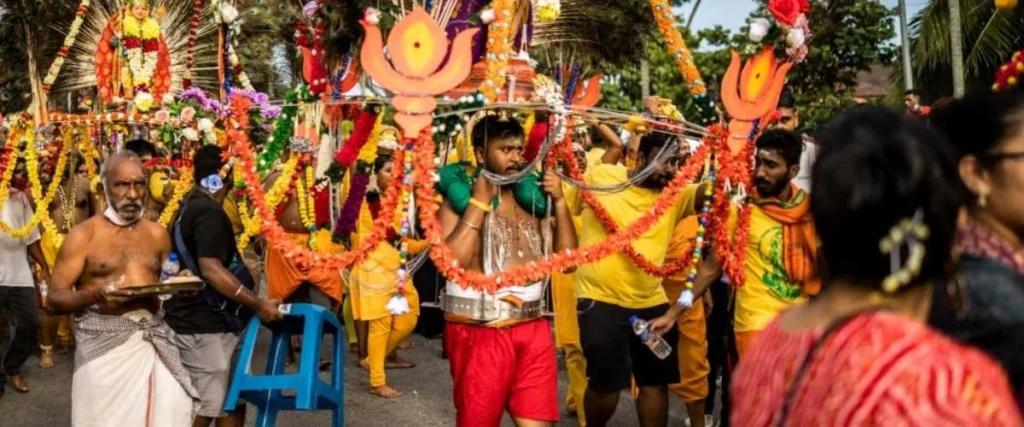
Thaipooyam is one of the most vibrant and popular temple festivals in Idukki, dedicated to Lord Murugan (Subrahmanya). Celebrated during the Malayalam month of Makaram–Kumbham (January–February), the festival marks the auspicious day when the Pooyam star coincides with the Tamil month of Thai, making it highly sacred for Murugan devotees. In Idukki, Thaipooyam is celebrated with great devotion at prominent Murugan temples, especially the Uravappara Sree Subrahmanya Swami Temple near Thodupuzha, often referred to as “Malayala Palani.” Thousands of devotees gather to offer prayers, fulfill vows, and seek blessings for health, prosperity, and success. The highlight of Thaipooyam celebrations is the Kavadi Attam, where devotees carry beautifully decorated kavadis as an act of penance and devotion. The festival atmosphere is filled with traditional percussion music, chanting, and colorful processions, creating a powerful spiritual and cultural experience. Thaipooyam in Idukki reflects intense faith, discipline, and community participation. Set amid the district’s serene hills and temple surroundings, the festival stands as a symbol of devotion and spiritual strength, making it one of the most significant and visually striking festivals in Idukki.
Thaipooyam Read More »

Maha Shivaratri in Idukki

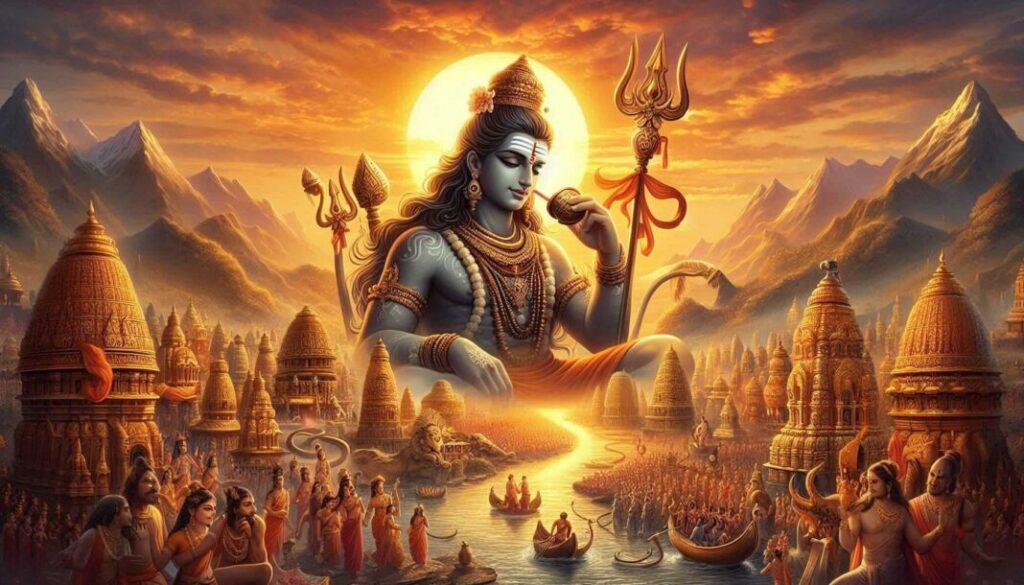
Maha Shivaratri is one of the most important and widely celebrated temple festivals in Idukki, dedicated to Lord Shiva, the symbol of destruction and renewal. Observed in the Malayalam month of Kumbham (February–March), the festival holds deep spiritual significance and attracts large numbers of devotees to Shiva temples across the district. In Idukki, Maha Shivaratri is marked by night-long prayers and rituals, as devotees believe that worshipping Lord Shiva on this sacred night brings peace, prosperity, and spiritual liberation. Temples such as Thodupuzha Sree Mahadeva Temple and other local Shiva shrines conduct special poojas, abhishekams, and chanting of sacred mantras throughout the night. A key aspect of Maha Shivaratri celebrations in Idukki is fasting (vratham), observed by many devotees as a form of self-discipline and devotion. The festival atmosphere is filled with devotional songs, bhajans, and the rhythmic sound of temple bells and traditional instruments, creating a serene and powerful spiritual environment. Set against Idukki’s misty hills and calm temple surroundings, Maha Shivaratri becomes a deeply meditative and spiritual experience. The festival reflects the district’s strong temple traditions, devotion to Lord Shiva, and the enduring cultural values of faith, discipline, and inner renewal, making it one of the most revered festivals in Idukki.

Maha Shivaratri in Idukki Read More »

Mandala Pooja & Makaravilakku

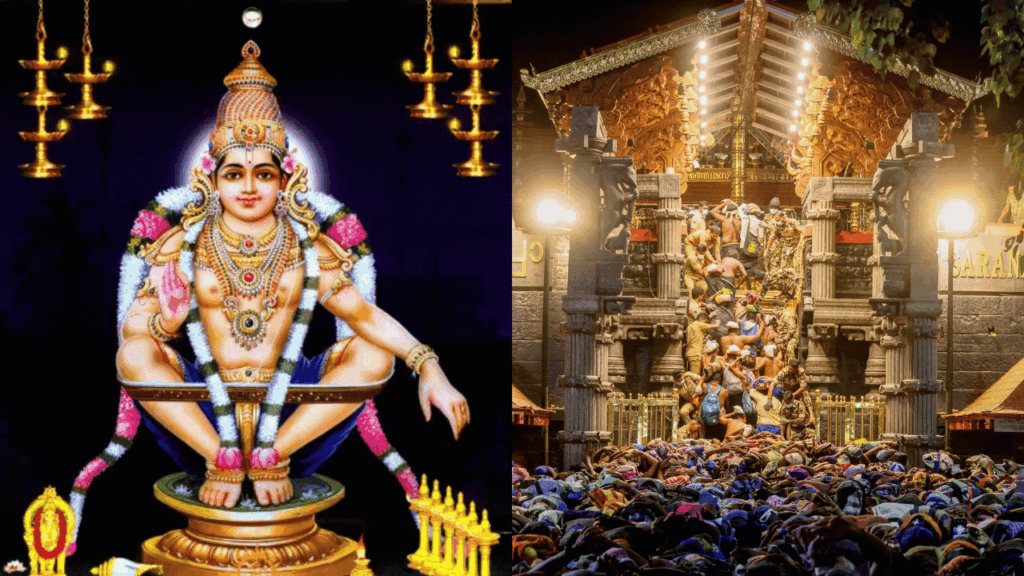
Mandala Pooja and Makaravilakku are among the most spiritually significant and widely observed festivals in Idukki, deeply connected to the worship of Lord Ayyappa. Celebrated during November to January, these sacred observances create a powerful devotional atmosphere across the district, as Idukki lies close to Sabarimala, one of the most important pilgrimage centers in India. Mandala Pooja Mandala Pooja marks the conclusion of the 41-day Mandala Vratham, a period of strict spiritual discipline followed by Ayyappa devotees. During this time, devotees observe celibacy, simplicity, vegetarian food, and daily prayers. Ayyappa temples throughout Idukki conduct special poojas, bhajans, and evening rituals, drawing large numbers of worshippers from nearby towns and villages. The festival emphasizes self-discipline, devotion, and equality, core principles of Lord Ayyappa worship. Makaravilakku Following Mandala Pooja, Makaravilakku is celebrated in mid-January during the Malayalam month of Makaram. The appearance of the sacred Makara Jyothi (celestial light) on the hill near Sabarimala is the most awaited moment of the festival. Devotees from Idukki actively participate by undertaking pilgrimages, organizing devotional gatherings, and conducting special temple rituals. The event symbolizes divine presence, faith, and spiritual fulfillment. Significance in Idukki In Idukki, Mandala Pooja and Makaravilakku are more than festivals—they are deep spiritual journeys. Roads, towns, and temples resonate with chants of “Swamiye Saranam Ayyappa,” and communities come together to support pilgrims with food, rest, and prayers. These festivals highlight Idukki’s strong spiritual culture, community harmony, and its close connection to one of Kerala’s most revered religious traditions. Together, Mandala Pooja and Makaravilakku stand as powerful symbols of devotion, discipline, and faith, making them among the grandest spiritual celebrations in Idukki.

Mandala Pooja & Makaravilakku Read More »

Vishu

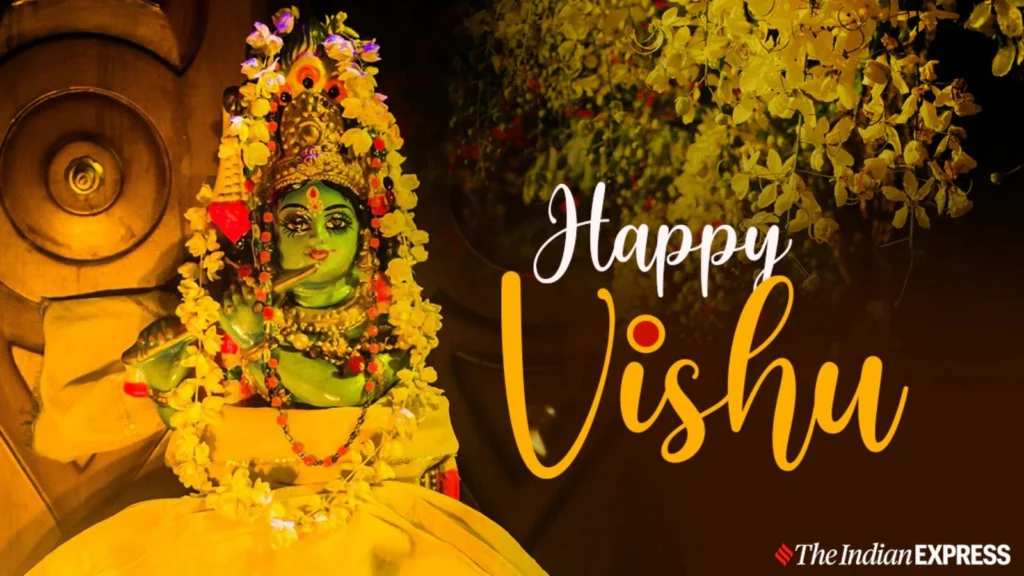
Vishu is the traditional New Year festival of Kerala and one of the most important celebrations in Idukki. Observed in the month of Medam (April), Vishu marks new beginnings and is deeply connected to hope, prosperity, and the agricultural cycle, which holds special significance in Idukki’s hill and plantation regions. The day begins with the auspicious ritual of Vishukkani, where family members view a carefully arranged display at dawn. The Vishukkani usually includes rice, golden cucumber, fruits, flowers, coins, mirror (valkannadi), and a lit lamp, symbolizing abundance and positivity for the year ahead. In Idukki, many households also include fresh produce from local farms and plantations, reflecting the region’s close relationship with nature. Another cherished tradition is Vishukkaineettam, where elders gift money to children and younger family members as a blessing. People visit temples early in the morning to seek divine blessings, and temples across Idukki conduct special poojas and rituals on Vishu day. Celebrations continue with fireworks, family gatherings, and festive meals, though they are usually simpler than Onam. Vishu in Idukki is calm, spiritual, and deeply meaningful, symbolizing a fresh start and renewed optimism. The festival beautifully reflects the district’s cultural values, agricultural roots, and spiritual traditions, making Vishu a cherished New Year celebration in the high ranges of Kerala.

Vishu Read More »

Onam – The Grand Festival in idukki

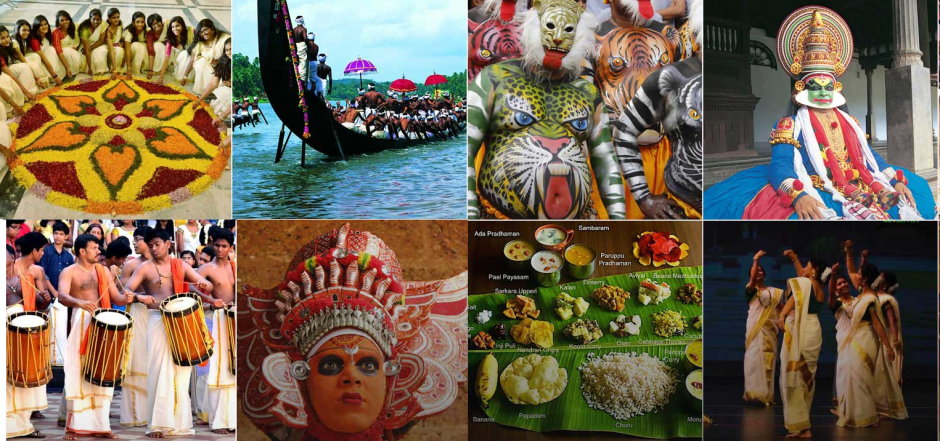
Onam is the most important and widely celebrated festival in Idukki, bringing together people from all communities in a joyful celebration of Kerala’s culture, tradition, and unity. Celebrated during the Malayalam month of Chingam (August–September), Onam marks the legendary return of King Mahabali, whose reign is believed to have been a golden age of peace, prosperity, and equality. In Idukki, Onam has a distinct high-range charm. The celebrations blend traditional Kerala customs with the region’s hill culture, plantation life, and tribal heritage. Homes, public offices, schools, and town centers are decorated with colorful pookalam (floral designs) made from fresh flowers collected from the surrounding hills. Cultural programs, folk dances, and traditional games add vibrancy to towns and villages across the district. A major highlight of Onam in Idukki is the Onam Sadya, a grand vegetarian feast served on banana leaves, prepared with locally grown vegetables and traditional recipes. Though large snake boat races are rare due to the hilly terrain, smaller cultural events, processions, and community gatherings keep the festive spirit alive. Onam in Idukki is not just a festival—it is a celebration of harmony between people and nature, reflecting the district’s agrarian roots, cultural diversity, and strong sense of community. The festival reinforces values of unity, gratitude, and respect for tradition, making it truly deserving of its title as “The Grand Festival of Idukki.”

Onam – The Grand Festival in idukki Read More »

Listings
News
Home
Jobs
Contact